<img src="https://secure.intelligence52.com/795135.png" style="display:none;">

Automatic Vending Machines: Modernising IT Support

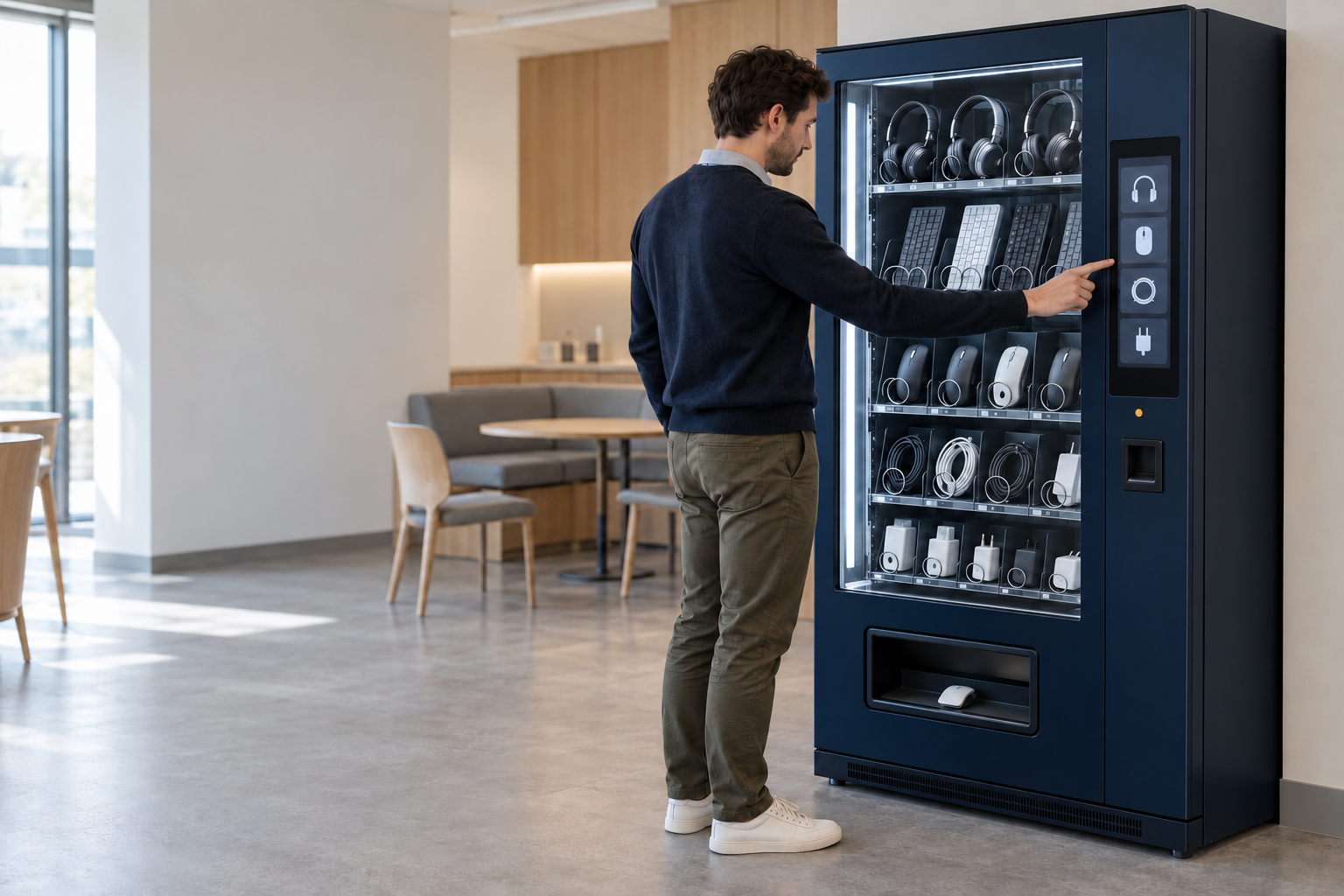
IT manager at smart vending machine in office

A single support ticket can cost large enterprises over 20 dollars on average, adding significant overhead that frustrates both IT leaders and end users. For IT Operations Directors in British and global Fortune 500 companies, finding a way to deliver rapid, reliable access to technology often feels like chasing a moving target. This article takes a clear-sighted look at how automated vending solutions turn traditional asset distribution into an efficient, high-visibility process that slashes ticket volumes and puts technology directly in the hands of employees.

Table of Contents

Key Takeaways

Point Details
Evolution of Vending Machines Automatic vending machines have advanced from simple dispensers to intelligent systems that optimise asset management and streamline workflows.
Smart Vending Advantages Smart vending solutions enhance efficiency with real-time inventory tracking and integration with enterprise systems, offering data-driven insights.
Cost and Security Benefits These systems reduce operational costs and enhance security through cashless transactions and integrated authentication mechanisms.
Implementation Challenges Organisations must address cybersecurity risks and regulatory compliance when deploying automated vending technologies to ensure operational integrity.

Defining Automatic Vending Machines and their Purpose

Automatic vending machines represent a sophisticated technological solution for dispensing products without direct human intervention. These mechanised devices have evolved from simple product dispensers into intelligent systems that transform how organisations manage and distribute equipment, consumables, and technology assets. Advanced vending technologies now integrate electronic, mechanical, and electrical engineering principles to create highly efficient self-service platforms.

Modern automatic vending machines are far more than traditional snack and beverage dispensers. They have become strategic tools for enterprises seeking to optimise workflow, reduce operational friction, and provide seamless access to critical resources. By eliminating manual transaction processes, these machines enable organisations to streamline asset management, track inventory in real-time, and offer employees convenient, self-service access to technology and supplies.

The primary purpose of automatic vending machines in an enterprise context extends beyond mere product distribution. Digital vending systems now serve as intelligent interfaces that facilitate secure, traceable, and efficient resource allocation. These systems can manage complex workflows, authenticate users, record transactions, and integrate with enterprise management platforms, transforming them from simple dispensing mechanisms into sophisticated asset management solutions.

Pro Tip: When implementing automatic vending machines, prioritise solutions that offer comprehensive reporting and integration capabilities with your existing IT infrastructure.

Key Variations: Traditional vs Smart Vending Solutions

Traditional vending machines represent an outdated technological approach characterised by mechanical operations and limited functionality. These basic systems typically rely on cash transactions, manual restocking, and rudimentary inventory tracking. In stark contrast, advanced vending technologies have transformed these devices into sophisticated, interconnected asset management platforms that provide unprecedented operational insights and efficiency.

Worker inspecting traditional vending machine

The key distinctions between traditional and smart vending solutions are profound. Traditional machines operate as standalone units with minimal data capabilities, whereas smart vending machines integrate advanced technologies like Internet of Things (IoT) connectivity, cloud-based monitoring, and multi-payment interfaces. These modern systems can authenticate users, track real-time inventory, generate comprehensive usage reports, and seamlessly integrate with enterprise management platforms, offering organisations granular control over their asset distribution processes.

Moreover, smart vending solutions go beyond mere transactional interactions. They leverage data analytics and artificial intelligence to personalise user experiences, optimise inventory management, and provide predictive maintenance insights. Unlike traditional machines that simply dispense products, these intelligent systems can analyse user behaviour, recommend products, adjust inventory dynamically, and generate actionable business intelligence that helps organisations make data-driven decisions about resource allocation and employee technology needs.

Pro Tip: When transitioning from traditional to smart vending solutions, prioritise systems with robust integration capabilities and comprehensive reporting features to maximise operational visibility and efficiency.

Here’s a side-by-side comparison of traditional vs smart vending machines in the enterprise context:

Aspect Traditional Vending Machines Smart Vending Machines
Transaction Method Cash only, manual Cashless, multi-payment options
Inventory Tracking Manual, periodic Real-time, automated
Integration Capability Limited or none Full IT/ERP integration
User Authentication Not available RFID, biometric, digital methods
Business Insights Minimal, sales data only Advanced analytics, predictive

How Automated Vending Integrates with IT Systems

Automated vending machines represent a sophisticated technological solution for seamlessly integrating asset management with enterprise IT infrastructures. Advanced IT integration technologies enable these systems to transform from standalone dispensing units into intelligent, interconnected platforms that provide real-time data and comprehensive operational insights.

The integration process involves multiple sophisticated technological components. Modern automated vending systems leverage Internet of Things (IoT) technologies, embedded microprocessors, and cloud-based platforms to create a seamless connection between physical asset distribution and digital management systems. These integrated solutions enable features such as user authentication through RFID, secure cashless payment processing, real-time inventory tracking, and comprehensive reporting capabilities that provide organisations with unprecedented visibility into their asset utilisation and distribution processes.

Furthermore, these advanced vending solutions go beyond simple transactional interfaces. They function as intelligent data collection and management platforms, capturing granular information about user interactions, product consumption patterns, and operational performance. By integrating directly with enterprise resource planning (ERP) systems and IT management platforms, these automated vending solutions can generate actionable insights, predict maintenance requirements, optimise inventory management, and support strategic decision-making across multiple organisational departments.

Pro Tip: Prioritise vending solutions that offer native integration with your existing IT infrastructure to minimise implementation complexity and maximise operational efficiency.

Enterprise Advantages: Cost, Security and Efficiency

Enterprise organisations are increasingly recognising the transformative potential of advanced automated vending solutions that deliver comprehensive operational benefits. Strategic enterprise technology solutions provide multifaceted advantages that extend far beyond traditional product distribution, enabling organisations to dramatically reduce operational costs, enhance security protocols, and streamline organisational efficiency.

From a financial perspective, automated vending machines represent a sophisticated mechanism for cost reduction and resource optimisation. These intelligent systems eliminate manual inventory management processes, reducing labour expenses and minimising human error. By implementing automated tracking, real-time inventory monitoring, and predictive restocking algorithms, enterprises can significantly decrease operational overhead while maintaining precise control over asset distribution. The cashless transaction capabilities further enhance financial security by providing comprehensive digital audit trails and reducing the risks associated with cash handling and potential theft.

Moreover, these advanced vending solutions offer unprecedented security and efficiency improvements across enterprise environments. Integrated authentication mechanisms, such as RFID and biometric technologies, ensure that only authorised personnel can access specific resources. Real-time monitoring capabilities enable instant anomaly detection, providing organisations with granular insights into asset utilisation, potential security breaches, and operational performance. The comprehensive data analytics generated by these systems support strategic decision-making, allowing enterprises to continuously refine their resource allocation and distribution strategies.

Infographic summarising vending machine enterprise benefits

Pro Tip: Conduct a comprehensive audit of your current asset management processes before implementing automated vending solutions to identify specific areas where technological integration can deliver maximum operational benefits.

This summary highlights key enterprise benefits delivered by automated vending solutions:

Benefit Business Impact Example Improvement
Operational Costs Reduced through automation Lower labour and reconciliation expenses
Asset Security Tighter control, digital logs Minimise theft, enhance resource accountability
Efficiency Faster access for employees Streamlined consumable and technology distribution

Potential Risks, Compliance and Implementation Challenges

Organisations considering automated vending solutions must carefully navigate a complex landscape of technological, security, and regulatory challenges. Smart technology implementation risks present multifaceted considerations that demand comprehensive strategic planning and robust risk mitigation approaches. The transformative potential of these systems must be balanced against potential vulnerabilities that could compromise operational integrity and organisational security.

Cybersecurity emerges as a critical concern in the deployment of automated vending technologies. These network-connected systems introduce potential entry points for digital intrusions, requiring organisations to implement sophisticated multi-layered security protocols. Risks include potential data breaches, payment system vulnerabilities, and remote manipulation of machine functions. Enterprises must develop comprehensive defense strategies incorporating advanced encryption technologies, continuous security monitoring, regular software updates, and stringent access control mechanisms to protect sensitive transactional and operational data.

Regulatory compliance represents another significant implementation challenge. Automated vending solutions must adhere to complex legal frameworks governing data protection, consumer privacy, financial transactions, and industry-specific regulations. Different sectors such as healthcare, financial services, and government will have unique compliance requirements that necessitate tailored technological solutions. Organisations must conduct thorough audits, develop robust documentation processes, and ensure their vending infrastructure can demonstrate comprehensive traceability and adherence to evolving regulatory standards.

Pro Tip: Engage specialised cybersecurity consultants during the initial implementation phase to conduct comprehensive vulnerability assessments and develop targeted risk mitigation strategies.

Revolutionise Your IT Support with Smart Vending Solutions

The challenges highlighted in the article about automatic vending machines modernising IT support resonate deeply with enterprises striving to reduce operational costs, tighten security, and enhance efficiency. Common pain points such as manual inventory tracking, lack of real-time data, and concerns about secure access can create friction in IT asset distribution and consumable management. Concepts like user authentication, real-time inventory monitoring, and seamless integration with enterprise IT systems are critical to overcoming these obstacles.

At Velocity Smart Technology, we understand these challenges and offer a powerful solution with Velocity Smart Collect. Built natively on ServiceNow, it eliminates data-sharing concerns and integrates directly into your existing workflows, automating equipment and consumable issuance with precision and security trusted by Fortune 500 companies. Our smart vending solutions empower organisations to unlock full control over asset management, reduce support costs, and significantly improve the employee experience.

https://velocity-smart.com

Discover how you can transform IT and workplace support by visiting Velocity Smart Technology today. Don’t wait to modernise your infrastructure with the only ServiceNow-certified smart locker and vending solution that delivers measurable ROI beyond hardware savings. Take the next step towards a smarter, more efficient future now.

Frequently Asked Questions

What are automatic vending machines?

Automatic vending machines are sophisticated devices designed to dispense products without human intervention. They serve as self-service platforms for managing and distributing equipment, consumables, and technology assets efficiently.

How do modern automatic vending machines improve operational efficiency?

Modern vending machines integrate advanced technologies such as IoT connectivity, cloud-based monitoring, and multi-payment interfaces. This enables real-time inventory tracking, user authentication, and streamlined asset management, eliminating manual processes and reducing operational friction.

What are the key differences between traditional and smart vending machines?

Traditional vending machines typically rely on mechanical operations and cash transactions, whereas smart vending machines offer cashless payments, real-time tracking, and integration with enterprise management platforms. Smart systems use data analytics to enhance user experience and optimise inventory management.

What are the potential cybersecurity risks associated with automated vending solutions?

The integration of network-connected automated vending machines introduces vulnerabilities such as data breaches, payment system manipulations, and unauthorised access. Organisations must implement robust cybersecurity measures, including encryption, continuous monitoring, and stringent access control to protect sensitive data.

You may also like

Food Lockers: Transforming IT Asset Accessibility Globally_BLG
19 January, 2026

Food Lockers: Transforming IT Asset Accessibility Globally Smart locker systems have transformed asset accessibility for...

7 Essential ServiceNow Security Best Practices for IT Leaders_BLG
14 January, 2026

7 Essential ServiceNow Security Best Practices for IT Leaders Nearly 60 percent of large enterprises report rising suppo...

Digital Lockers: Transforming IT Asset Management_BLG
13 January, 2026

Digital Lockers: Transforming IT Asset Management Over 60 percent of IT leaders at british and American enterprises now ...