%20(6).webp?width=500&height=118&name=WHITE-%20symbol%20as%20V%20logo-1%20(1)%20(6).webp)
Supply Vending Machines: Impact on IT Operations
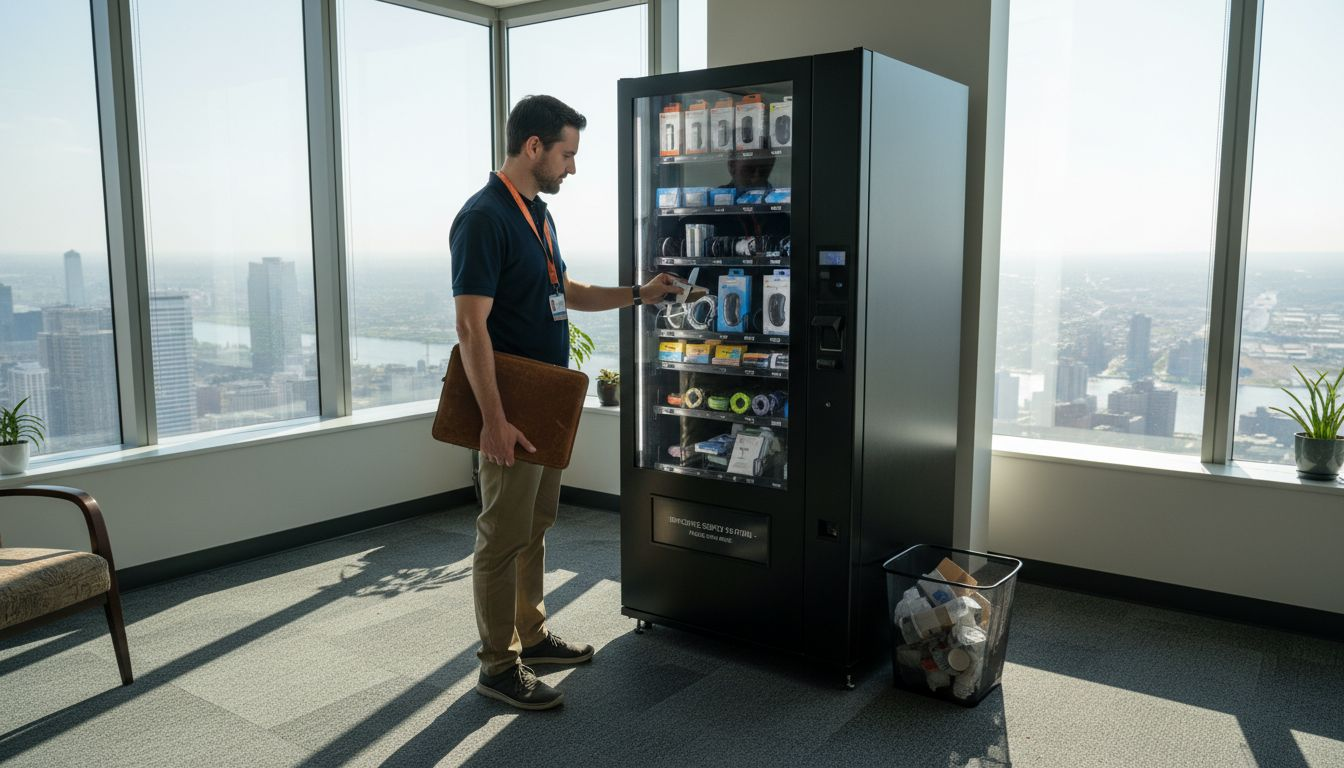
Support costs for Fortune 500 companies can swallow over 30 percent of IT budgets each year. For British IT Operations Directors, this strain is intensified by rising employee expectations for rapid access to technology resources. Modern smart vending solutions integrated with ServiceNow promise more than just speed. They transform asset delivery, cut manual inefficiency, and elevate the employee experience. Discover how automated vending unlocks precise control and measurable savings for global organisations.
Table of Contents
- Supply Vending Machines Defined And Debunked
- Types Of IT Supply Vending Solutions
- How Smart Vending Integrates With ServiceNow
- Practical IT Use Cases Across Industries
- Security, Compliance, And Data Protection Risks
- Cost Benefits Versus Traditional IT Support Models
Key Takeaways
| Point | Details |
|---|---|
| Supply Vending Machines Transform IT Management | These advanced systems streamline asset distribution and tracking, enhancing efficiency in IT operations. |
| Integration with ServiceNow Enhances Workflow | Smart vending machines can automate procurement and tracking processes, improving organisational efficiency. |
| Cost Benefits Over Traditional Support | Smart vending solutions significantly reduce administrative overhead and improve resource access speed. |
| Focus on Security and Compliance | Implement robust security measures to mitigate cyber threats and comply with data protection regulations. |
Supply Vending Machines Defined and Debunked
Supply vending machines represent a sophisticated technological solution transforming how organisations manage critical IT infrastructure and workplace equipment. Unlike traditional vending mechanisms, these intelligent systems leverage advanced technologies to streamline asset distribution and tracking. Intelligent vending machines have evolved from simple product dispensers into complex, data-driven platforms that fundamentally reimagine resource management for IT operations.
Modern supply vending machines integrate Internet of Things (IoT) technologies, enabling remote monitoring, automated inventory tracking, and predictive restocking capabilities. These smart systems can track equipment usage, monitor consumable levels, manage device check-out and check-in processes, and generate real-time analytics about asset utilisation. By implementing AI-driven vending technologies, organisations can significantly reduce manual administrative overhead and create more efficient procurement workflows.
Key technological features of contemporary supply vending machines include touchscreen interfaces, secure authentication mechanisms, integrated asset management software, and seamless digital tracking. These systems go beyond simple product dispensing, functioning as comprehensive asset management platforms that provide granular visibility into equipment inventory, usage patterns, and maintenance requirements. For IT operations directors, this means unprecedented control over hardware resources, reduced administrative complexity, and enhanced ability to make data-driven procurement decisions.
Pro tip: When evaluating supply vending machine solutions, prioritise platforms with robust ServiceNow integration to ensure seamless workflow automation and comprehensive asset tracking.
Types of IT Supply Vending Solutions
IT supply vending solutions have significantly evolved from traditional mechanical dispensers to sophisticated technological platforms designed to address complex organisational infrastructure needs. Advanced vending technologies now incorporate multiple layers of functionality that extend far beyond simple product distribution.
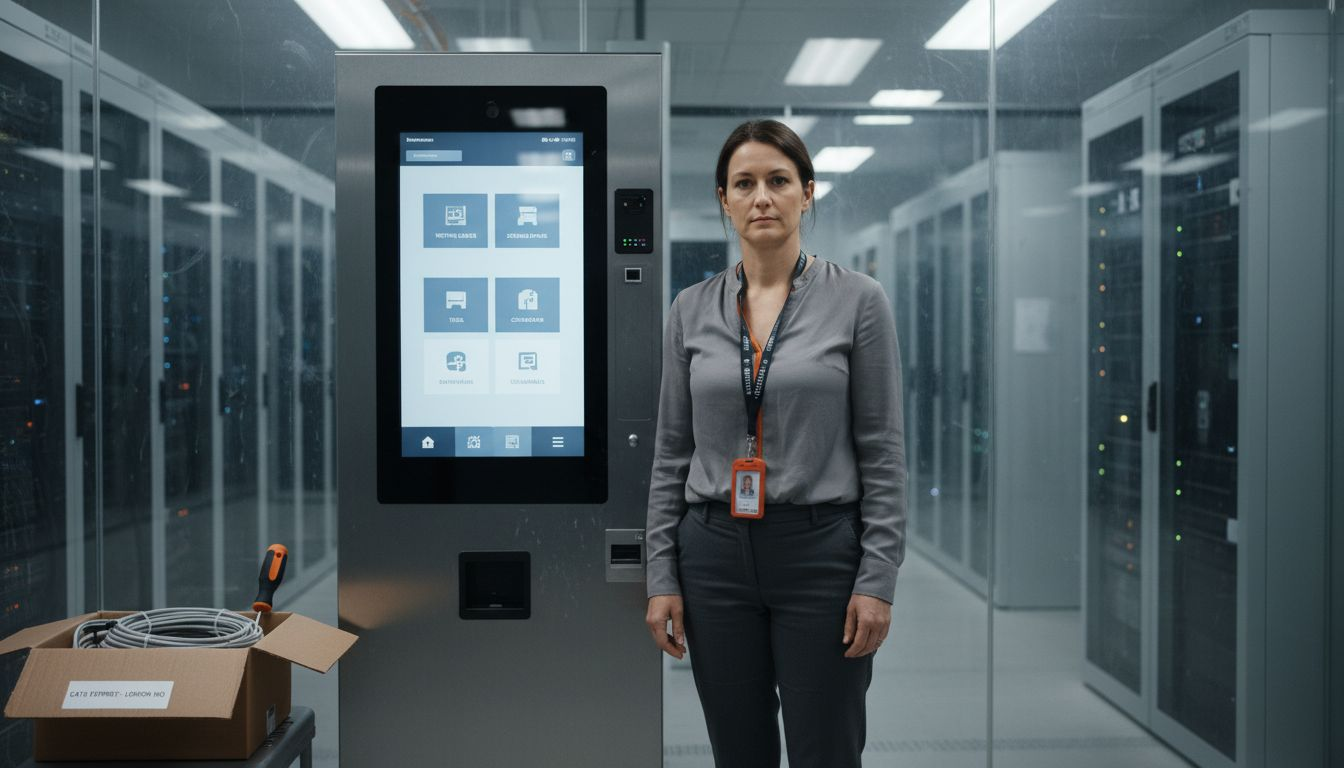
The primary types of IT supply vending solutions can be categorised into several distinct models. Consumable Equipment Vending Machines focus on dispensing high-turnover items like printer cartridges, cables, keyboards, and mice. These machines typically feature secure authentication protocols, allowing authorised personnel to retrieve essential workplace equipment quickly and efficiently. Loaner Device Vending Solutions represent another critical category, enabling employees to temporarily check out laptops, mobile devices, or specialised hardware with comprehensive tracking and accountability mechanisms.
Enterprise-Grade Smart Vending Platforms represent the most advanced iteration of these solutions. These intelligent systems integrate seamlessly with existing IT infrastructure, providing real-time inventory management, predictive restocking capabilities, and comprehensive usage analytics. They can automatically track equipment lifecycle, monitor consumption patterns, and generate detailed reports that help organisations optimise their hardware procurement strategies. Some advanced models even incorporate machine learning algorithms to predict future equipment requirements based on historical usage data and organisational growth trends.
The following table highlights how different types of IT supply vending solutions address specific organisational needs:
| Solution Type | Primary Purpose | Key Technologies | Typical Organisational Benefits |
|---|---|---|---|
| Consumable Equipment Vending | Dispenses high-turnover items | Secure authentication, IoT sensors | Rapid access, reduced stockouts |
| Loaner Device Vending | Temporarily issues IT devices | Asset tracking software, digital check-out | Enhanced accountability, streamlined returns |
| Enterprise-Grade Smart Platforms | Comprehensive asset management | Machine learning, real-time analytics | Predictive restocking, optimised procurement |
Pro tip: When selecting an IT supply vending solution, prioritise platforms with robust integration capabilities and comprehensive reporting features to maximise operational efficiency and hardware resource management.
How Smart Vending Integrates with ServiceNow
The integration of smart vending machines with ServiceNow represents a transformative approach to IT service management, creating a seamless ecosystem for equipment procurement and tracking. ServiceNow integration strategies fundamentally reshape how organisations manage technology resources by centralising critical operational workflows within a single, intelligent platform.
This integration enables sophisticated automated workflows that streamline multiple aspects of IT asset management. When an employee requires a device or consumable, they can initiate a request directly through the ServiceNow interface, triggering a precise sequence of authentication, inventory verification, and automated dispensing. The smart vending machine communicates in real-time with the ServiceNow platform, generating immediate tracking tickets, updating inventory databases, and ensuring comprehensive audit trails for every transaction. These intelligent systems can automatically flag low-stock items, generate purchase requisitions, and provide granular analytics about equipment usage patterns.
The technical architecture of ServiceNow-integrated smart vending solutions involves multiple sophisticated components. Secure authentication protocols ensure that only authorised personnel can access specific equipment, while comprehensive API connections enable bidirectional data synchronisation. This means that every interaction with the vending machine—from initial request to final equipment return—is meticulously documented within the ServiceNow ecosystem. Advanced machine learning algorithms can even predict future equipment needs based on historical consumption data, allowing IT departments to proactively manage their hardware resources with unprecedented precision.
Pro tip: Implement a pilot programme that maps your specific organisational workflows before full-scale smart vending machine deployment to identify and optimise integration points.
Practical IT Use Cases Across Industries
Intelligent vending machine technologies are revolutionising operational efficiency across diverse industry sectors, transforming how organisations manage critical technological resources. These sophisticated systems extend far beyond traditional product dispensing, offering strategic solutions for complex infrastructure challenges in sectors ranging from healthcare to manufacturing.
In healthcare environments, smart vending machines provide critical support by managing essential medical supplies and IT equipment. Hospitals can deploy these systems to ensure immediate access to personal protective equipment (PPE), diagnostic devices, and specialised technological accessories. Manufacturing settings leverage these solutions for rapid procurement of replacement components, safety equipment, and technical consumables, dramatically reducing equipment downtime and maintaining continuous operational workflows. Educational institutions similarly benefit by providing students and faculty with immediate access to laptops, chargers, adapters, and other essential technological resources.
The most advanced implementations demonstrate remarkable versatility across different organisational contexts. Financial services firms utilise smart vending machines for secure distribution of encrypted devices and security tokens, while research laboratories can precisely track and manage sensitive scientific equipment. Telecommunications companies deploy these systems to support field technicians with immediate replacement parts, ensuring minimal service interruption. The underlying technology enables comprehensive tracking, real-time inventory management, and sophisticated access controls that transcend traditional vending machine functionality.
Pro tip: Conduct a thorough audit of your organisation’s equipment distribution workflows before implementing smart vending solutions to identify the most impactful deployment strategies.
Security, Compliance, and Data Protection Risks
Smart vending machine cybersecurity challenges represent a complex landscape of technological vulnerabilities that demand sophisticated risk management strategies. These internet-connected devices introduce multiple potential entry points for cyber intrusions, requiring comprehensive security frameworks that go beyond traditional asset protection methodologies.
The primary security risks stem from multiple interconnected domains. Payment system vulnerabilities create significant exposure, with potential for financial fraud and transaction manipulation. Remote management interfaces potentially offer hackers sophisticated pathways to compromise device integrity, enabling unauthorized access to critical network infrastructure. Firmware exploitation represents another significant threat vector, where malicious actors could potentially reprogram device functionality or extract sensitive operational data.
Compliance frameworks demand rigorous approach to mitigating these risks. Organisations must implement multi-layered security protocols including encrypted communication channels, robust multi-factor authentication mechanisms, and continuous monitoring systems. Regular security audits, firmware updates, and comprehensive access control strategies are essential. These measures not only protect against immediate cybersecurity threats but also ensure alignment with stringent data protection regulations like GDPR, which mandate precise controls over technological infrastructure and user data management.
Pro tip: Conduct quarterly comprehensive security assessments of your smart vending infrastructure, focusing on identifying and addressing potential vulnerability points before they can be exploited.
Cost Benefits Versus Traditional IT Support Models
Automated IT supply distribution models represent a paradigm shift in organisational resource management, challenging conventional IT support methodologies. Traditional approaches typically involve complex, labour-intensive processes of equipment procurement, distribution, and tracking that consume significant administrative time and financial resources.
The economic advantages of smart vending solutions become evident through multiple quantifiable metrics. Traditional IT support models require dedicated personnel for inventory management, manual equipment distribution, and tracking, resulting in substantial overhead costs. In contrast, smart vending machines automate these processes, reducing human intervention, minimising administrative labour, and providing real-time inventory tracking. These systems can dramatically reduce equipment retrieval times, with employees accessing necessary technological resources within minutes rather than hours or days required by traditional support workflows.
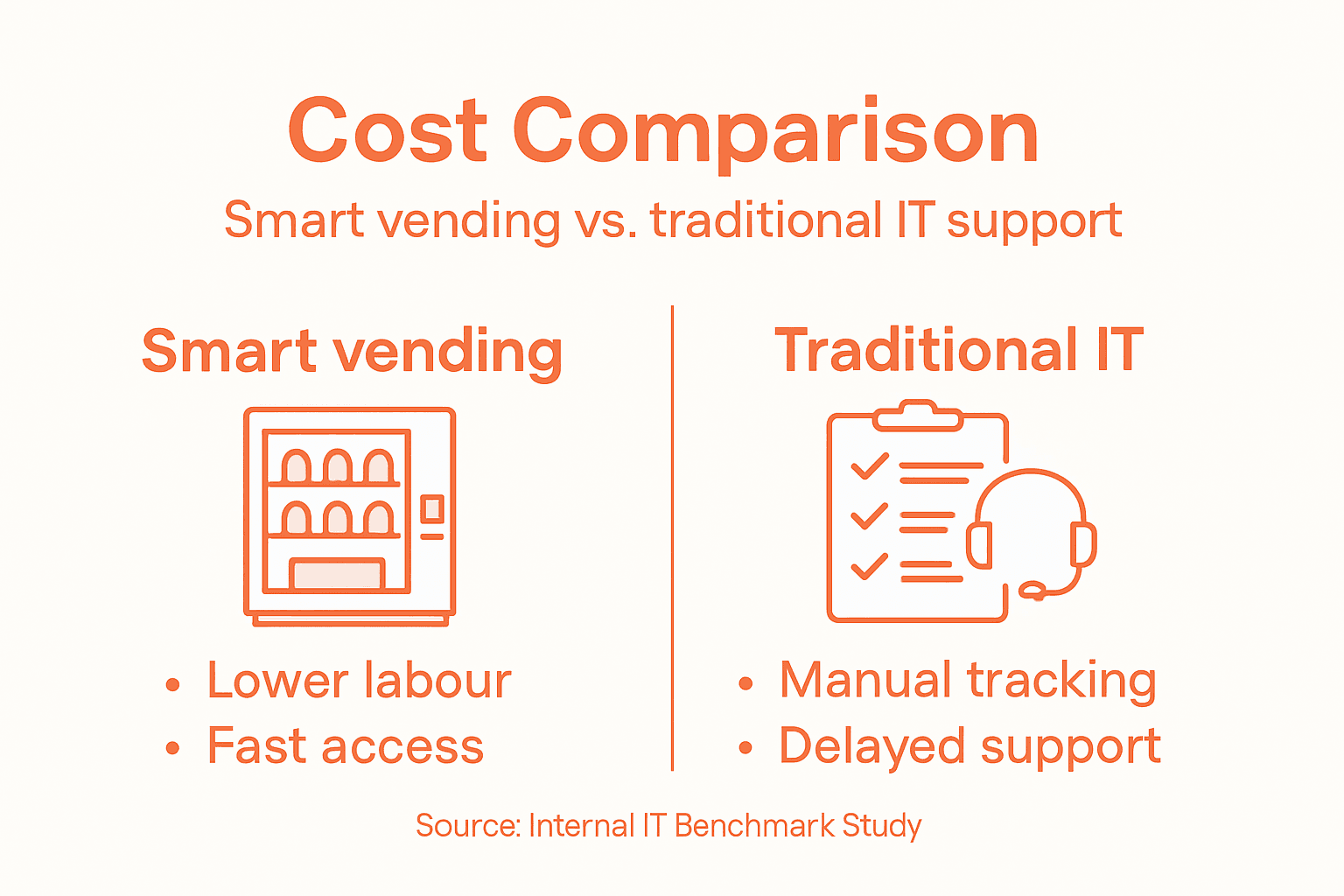
Comprehensive cost analysis reveals significant long-term financial benefits. Smart vending solutions eliminate numerous indirect expenses associated with traditional IT support, including reduced administrative staffing requirements, minimised equipment loss, and enhanced inventory precision. By implementing automated distribution systems, organisations can achieve more accurate stock management, reduce emergency procurement costs, and create predictable, streamlined technological resource allocation strategies. The data-driven nature of these systems enables precise usage tracking, facilitating more intelligent procurement decisions and preventing unnecessary equipment purchases.
The table below compares smart vending machines and traditional IT support models from an operational efficiency perspective:
| Attribute | Smart Vending Machines | Traditional IT Support |
|---|---|---|
| Inventory Management | Automated, real-time tracking | Manual, prone to errors |
| Resource Access Speed | Immediate, self-service | Delayed, dependent on staff |
| Administrative Overhead | Minimal, centralised | High, labour-intensive |
| Cost Control | Predictable, data-driven | Variable, hard to forecast |
Pro tip: Conduct a detailed cost-benefit analysis comparing your current IT support model’s total operational expenses against potential smart vending infrastructure investments to quantify potential savings.
Elevate Your IT Operations with ServiceNow-Certified Smart Vending Solutions
Organisations today face mounting challenges managing IT equipment distribution efficiently while maintaining rigorous security and compliance standards. The article highlights crucial pain points such as manual administrative overhead, lack of real-time inventory visibility, and risks tied to unsecured asset management. Velocity Smart Technology addresses these issues head-on by offering the only ServiceNow-certified smart vending solution built natively inside your existing ServiceNow environment. Our Velocity Smart Collect platform automates equipment issuance, tracking, and restocking with seamless integration, eliminating data-sharing concerns and unlocking powerful workflow automation.
Discover how enterprises across industries transform their IT operations by reducing support costs, improving employee experience, and gaining unprecedented control over asset management. Act now to future-proof your infrastructure with a solution trusted by Fortune 500 organisations worldwide. Explore the full capabilities of Velocity Smart Technology and how smart vending can revolutionise your IT service management today.
Frequently Asked Questions
What are supply vending machines?
Supply vending machines are advanced technological systems designed to manage the distribution and tracking of IT equipment and workplace supplies. They integrate features such as remote monitoring, automated inventory tracking, and real-time analytics to improve resource management.
How do supply vending machines benefit IT operations?
They streamline asset distribution and tracking, reduce manual administrative tasks, enhance equipment accessibility, and optimise procurement workflows by providing real-time visibility into inventory and usage patterns.
What types of items can supply vending machines dispense?
Supply vending machines can dispense a variety of items, including consumable equipment like printer cartridges and cables, as well as loaner devices such as laptops and mobile equipment. They also serve as comprehensive asset management platforms.
How can supply vending machines be integrated with IT service management tools?
Supply vending machines can be integrated with IT service management tools like ServiceNow to create automated workflows for equipment procurement. This integration ensures seamless processes, real-time inventory updates, and comprehensive tracking of equipment usage.