<img src="https://secure.intelligence52.com/795135.png" style="display:none;">

PPE Vending Machines: Transforming Enterprise Safety

Facility manager uses PPE vending machine in warehouse

More than 60 percent of british and American enterprises struggle to maintain consistent access to personal protective equipment, impacting both compliance and productivity. For IT Operations Directors in Fortune 500 companies, automated PPE solutions are shaping the future of workplace safety by minimizing manual effort and support costs. This overview uncovers how intelligent vending machines and integrated platforms set a new benchmark for secure, data-driven PPE distribution across complex global environments.

Table of Contents

Key Takeaways

Point Details
PPE Vending Machines Enhance Safety Management These machines automate the distribution of protective equipment, offering real-time inventory management and tracking capabilities.
Technology Integration Maximises Efficiency Integrating PPE vending systems with existing digital frameworks like ServiceNow can streamline workflows and reduce administrative overhead.
Financial Benefits Are Significant Automating PPE distribution can result in substantial cost savings, improved accountability, and potential reductions in insurance premiums.
Implementation Requires Strategic Planning Enterprises must carefully evaluate their technological readiness, potential cybersecurity risks, and staff training needs to ensure successful deployment.

Defining PPE vending machines and their role

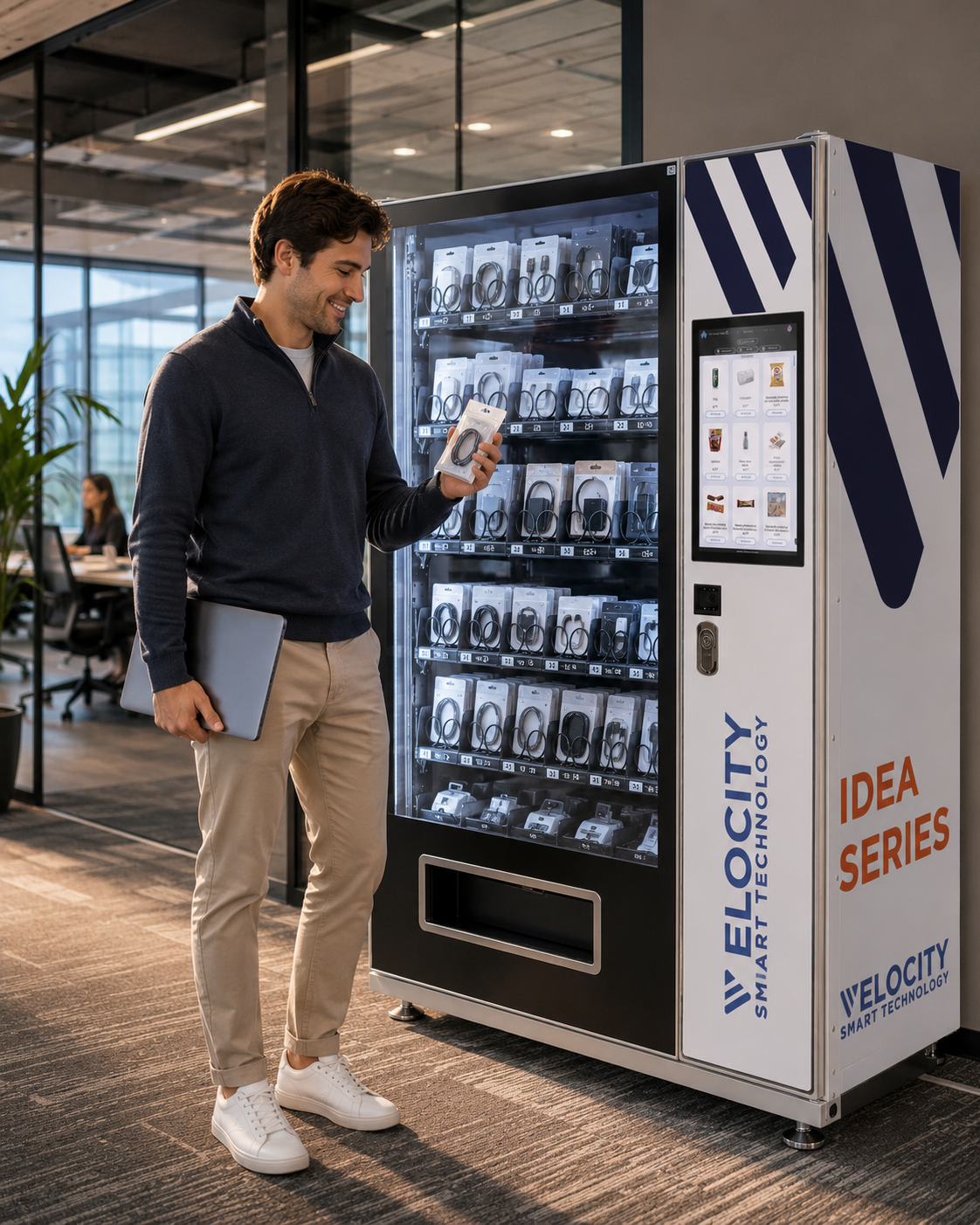
PPE vending machines represent a technological evolution in workplace safety management, offering organisations an automated solution for dispensing critical protective equipment. These sophisticated devices are designed to transform safety equipment distribution with precision and efficiency.

At their core, PPE vending machines are intelligent systems that streamline the procurement, tracking, and distribution of personal protective equipment. Unlike traditional storage methods, these machines provide real-time inventory management, ensuring employees can access essential safety gear quickly and conveniently. The technology addresses several key workplace challenges: reducing equipment shortages, minimising manual distribution processes, and maintaining comprehensive tracking of safety equipment usage.

The functionality of PPE vending machines extends beyond simple distribution. They incorporate advanced features such as user authentication, automated restocking alerts, and detailed usage reporting. By implementing these machines, enterprises can enforce safety compliance, reduce administrative overhead, and create a more responsive safety management ecosystem. Each transaction is logged electronically, providing organisations with granular insights into equipment consumption patterns and potential safety training needs.

Pro tip: Conduct a comprehensive audit of your current PPE distribution process before implementing vending machines to identify specific organisational needs and potential efficiency gains.

Types of PPE vending machines and technology variations

Personal protective equipment (PPE) vending machines have evolved into a diverse ecosystem of technological solutions, designed to meet the nuanced safety requirements of different workplace environments. Industrial-grade machines offer robust functionality for sectors with demanding safety protocols, ranging from manufacturing to construction sites.

The landscape of PPE vending technology encompasses several distinctive variations. Standard machines typically handle general protective equipment like gloves and masks, while specialised units are engineered for specific industrial contexts. High-capacity machines serve large facilities, offering comprehensive equipment distribution, and mobile units provide flexibility for remote job sites. Contactless machines have gained particular prominence in healthcare settings and post-pandemic workplaces, emphasising hygiene and minimal human interaction.

Technology integration distinguishes modern PPE vending solutions. Advanced systems incorporate sophisticated features such as biometric authentication, real-time inventory monitoring, and seamless enterprise system integration. Vending machines now range from simple coil-based dispensers to complex locker-style units with controlled access mechanisms. These intelligent systems not only distribute safety equipment but also generate detailed usage reports, enabling organisations to track consumption patterns and optimise their safety inventory management.

Pro tip: Assess your specific workplace safety requirements and select a PPE vending machine that offers scalable technology features and seamless integration with your existing inventory management systems.

Here is a comparison of common types of PPE vending machines and their ideal use cases:

Machine Type Typical Use Case Key Feature Workplace Suitability
Standard Dispensers General safety gear Fast access Warehouses, offices
Industrial-grade Heavy-duty environments Rugged construction Manufacturing, construction
High-capacity Large workforce sites Bulk inventory Factories, large facilities
Mobile units Temporary work locations Portability Remote sites, outdoor events
Contactless Hygiene-prioritised areas No-touch dispensing Hospitals, laboratories

How ServiceNow integration streamlines PPE distribution

ServiceNow integration represents a transformative approach to managing personal protective equipment distribution, enabling enterprises to create sophisticated digital workflows that significantly enhance operational efficiency. Digital PPE management within ITSM platforms allows organisations to streamline complex equipment allocation processes with unprecedented precision and control.

The integration provides comprehensive asset tracking capabilities that go far beyond traditional distribution methods. By embedding PPE vending machine systems directly into the ServiceNow ecosystem, enterprises can establish a centralised management platform that supports real-time inventory monitoring, automated restocking triggers, and detailed usage reporting. This approach eliminates manual tracking processes, reduces administrative overhead, and creates a transparent, auditable system for safety equipment management.

Supervisor checks PPE usage dashboard at workstation

Enterprise-level PPE distribution becomes dramatically more intelligent through ServiceNow integration. The platform enables organisations to implement granular access controls, track equipment consumption across different departments, and generate sophisticated cost allocation reports. Automated workflows can support critical processes such as employee onboarding, equipment replacement, and compliance documentation, transforming what was previously a complex administrative challenge into a streamlined, data-driven operational strategy.

Pro tip: Conduct a comprehensive audit of your current PPE distribution workflows before implementing ServiceNow integration to identify specific optimisation opportunities and potential efficiency gains.

Compliance, data security and inventory management

PPE vending machines represent a critical intersection of workplace safety, regulatory compliance, and advanced technological management. Centralized asset tracking strategies enable organisations to maintain rigorous control over safety equipment distribution, ensuring both regulatory adherence and operational efficiency.

Data security emerges as a paramount consideration in modern PPE management systems. These sophisticated vending solutions incorporate multi-layered security protocols, including user authentication, encrypted transaction logging, and granular access controls. By implementing robust tracking mechanisms, enterprises can generate comprehensive audit trails that demonstrate compliance with industry-specific safety regulations, documenting every equipment issuance, return, and maintenance cycle with unprecedented precision.

Infographic showing PPE vending machine enterprise benefits

Inventory management transforms from a reactive to a predictive discipline through intelligent PPE vending technologies. Advanced systems enable real-time monitoring of equipment stock levels, automated restocking alerts, and detailed consumption analytics. This approach allows organisations to anticipate safety equipment needs, optimise procurement strategies, and maintain consistent availability of critical protective gear across complex operational environments. The integration of intelligent tracking mechanisms ensures that safety compliance becomes a proactive, data-driven process rather than a manual, error-prone administrative task.

Pro tip: Develop a comprehensive inventory management strategy that includes regular audits, predictive restocking algorithms, and clear documentation of equipment lifecycle management.

Financial implications and ROI for large enterprises

PPE vending machines present a strategic financial opportunity for large enterprises, transforming traditional safety equipment management into a data-driven, cost-effective operational model. Significant cost savings emerge through automated PPE distribution, enabling organisations to optimise their workplace safety investments with unprecedented precision.

The financial advantages of PPE vending technology extend beyond direct equipment procurement. By implementing intelligent inventory management systems, enterprises can dramatically reduce administrative labour costs, minimise PPE waste, and create robust accountability mechanisms. These automated solutions enable granular cost tracking, allowing organisations to allocate safety expenses across specific departments, projects, and operational units with remarkable accuracy. The technology’s ability to generate detailed consumption reports transforms PPE from a potential financial burden into a strategically managed resource.

Direct and indirect financial benefits compound through comprehensive risk mitigation strategies. Automated PPE vending systems reduce workplace injury risks by ensuring consistent availability of high-quality protective equipment, potentially lowering insurance premiums and preventing costly worker compensation claims. The initial capital investment is typically offset within months by reduced operational inefficiencies, decreased equipment waste, and improved workforce productivity. Large enterprises can expect substantial long-term financial returns by adopting these intelligent safety management technologies.

Pro tip: Conduct a comprehensive cost-benefit analysis that includes both direct equipment savings and potential indirect financial benefits when evaluating PPE vending machine investments.

Challenges, risks, and alternatives to automated PPE

Automated PPE distribution systems present a complex landscape of technological opportunities and potential implementation challenges. Implementation risks require careful strategic planning for enterprises considering these innovative safety management solutions. The initial investment represents a significant technological transition that demands comprehensive evaluation of both technological capabilities and organisational readiness.

The primary challenges encompass multiple interconnected dimensions. Technological integration demands sophisticated compatibility with existing enterprise IT infrastructure, while cybersecurity vulnerabilities require robust protection mechanisms. Employee adaptation represents another critical consideration, as workforce training and change management become essential for successful implementation. Potential machine downtime and stock management errors can potentially disrupt critical safety protocols, necessitating comprehensive contingency planning and redundant backup systems.

Alternative approaches to automated PPE distribution range from traditional manual stockroom management to hybrid distribution models. While manual systems offer familiar processes, they typically suffer from inefficiencies, limited tracking capabilities, and higher administrative overhead. Centralised PPE lockers and supervisor-managed distribution provide intermediate solutions, but frequently lack the precision, real-time monitoring, and comprehensive data analytics inherent in fully automated vending systems. The trade-offs between technological sophistication and operational simplicity require nuanced evaluation based on specific organisational requirements.

Pro tip: Conduct a comprehensive pilot programme to assess automated PPE vending technology’s compatibility with your specific operational environment before full-scale implementation.

Key challenges and alternatives in automated PPE distribution systems:

Challenge Impact on Operations Alternative Approach
Integration complexity IT system disruptions Manual distribution
Cybersecurity threats Data breach risk Supervisor-managed lockers
Employee adjustment Training requirements Staff-led allocation
Machine downtime Safety protocol interruptions Hybrid models

Revolutionise Your Enterprise Safety With Velocity Smart Technology

The article highlights critical challenges in PPE distribution such as manual tracking inefficiencies, inventory management complexities, cybersecurity risks and compliance demands. Organisations struggle with costly administrative overhead and inconsistent equipment availability which put workforce safety and operational productivity at risk. Velocity Smart Collect offers a seamless solution by integrating PPE vending directly within your existing ServiceNow environment. This native integration eliminates data privacy concerns and labour-intensive processes while delivering real-time inventory control and automated restocking to guarantee safety compliance across all departments.

Experience the future of PPE vending with features including:

  • End-to-end asset tracking inside a trusted ServiceNow platform
  • Automated workflows that reduce errors and boost employee experience
  • Secure, audit-ready usage reporting to meet regulatory requirements

https://velocity-smart.com

Empower your enterprise to modernise safety management and unlock measurable return on investment today. Learn more about how Velocity Smart Collect can transform your workplace by visiting Velocity Smart Technology. Discover practical steps to overcome distribution challenges with ServiceNow certified smart lockers and vending solutions. Take control of your PPE inventory and compliance now by exploring innovative strategies on our website.

Frequently Asked Questions

What are PPE vending machines and how do they work?

PPE vending machines are automated systems designed to dispense personal protective equipment efficiently. They streamline the procurement and distribution of safety gear, providing real-time inventory management and tracking of equipment usage.

What types of PPE vending machines are available?

There are various types of PPE vending machines, including standard dispensers for general safety gear, industrial-grade units for heavy-duty environments, high-capacity machines for large workforces, mobile units for remote locations, and contactless machines for hygiene-sensitive areas like hospitals.

How can integrating PPE vending machines with ServiceNow improve safety management?

Integrating PPE vending machines with ServiceNow enhances safety management by creating centralized workflows that automate inventory monitoring, restocking triggers, and usage reporting, streamlining the entire PPE distribution process and reducing manual administrative tasks.

What are the financial benefits of using automated PPE distribution systems?

Automated PPE distribution systems can lead to significant cost savings by reducing administrative labour, minimising waste, and providing detailed consumption reports for precise cost tracking. They also help mitigate risks associated with workplace injuries, potentially lowering insurance premiums and improving overall productivity.

You may also like

7 Essential ServiceNow Security Best Practices for IT Leaders_BLG
14 January, 2026

7 Essential ServiceNow Security Best Practices for IT Leaders Nearly 60 percent of large enterprises report rising suppo...

Optimise IT Asset Return Procedure for ServiceNow Success
13 April, 2026

Optimise IT Asset Return Procedure for ServiceNow Success Managing IT asset returns can feel like a constant balancing a...

7 Essential Types of Asset Vending Systems for Enterprises
15 April, 2026

7 Essential Types of Asset Vending Systems for Enterprises Over 60 percent of british organisations now use automated so...