%20(6).webp?width=500&height=118&name=WHITE-%20symbol%20as%20V%20logo-1%20(1)%20(6).webp)
Complete Guide to Centralized Asset Tracking

Nearly 60 percent of businesses admit they have lost or misused IT assets due to poor tracking, costing them money and productivity each year. Asset management chaos can quickly drain resources and slow down projects, making it vital for organisations to know exactly where every device and license lives. By understanding how centralized asset tracking works and debunking common myths, teams can take control of costs, data, and performance.
Key Takeaways
| Point | Details |
|---|---|
| Centralized Asset Tracking is Essential | A centralized system eliminates fragmented asset management, leading to improved efficiency and reduced operational costs. |
| Adoption of Advanced Technologies | Future-ready organizations should consider smart tracking technologies like IoT for real-time insights and predictive maintenance. |
| Integration with ITSM Platforms | Seamless integration enhances operational efficiency, enabling automatic asset discovery and comprehensive lifecycle tracking. |
| Focus on Security and Compliance | Robust security protocols and compliance frameworks are critical to safeguarding sensitive asset information and meeting regulatory demands. |
Table of Contents
- Centralized Asset Tracking Explained And Debunked
- Types Of Asset Tracking Systems Compared
- Key Features Of A Centralized System
- Integrating Asset Tracking With Itsm Platforms
- Security, Compliance, And Data Privacy Implications
- Roi, Common Pitfalls, And Best Practices
Centralized Asset Tracking Explained and Debunked
Most organisations struggle with a critical yet invisible problem: fragmented asset management. Imagine your IT infrastructure as a complex puzzle where pieces are scattered across different departments, creating chaos and inefficiency. According to ESevel, companies without a centralized tracking system frequently experience asset data fragmentation, leading to unnecessary purchases, wasted resources, and escalating operational costs.
A centralized asset tracking system solves these challenges by creating a unified, real-time source of truth for all IT asset information. Think of it like a mission control centre for your entire technology ecosystem. As research from AssetLoom reveals, decentralised systems create dangerous data silos that prevent teams from having accurate, consistent records.
The core benefits of centralized asset tracking include:
- Real-time visibility across all organisational assets
- Elimination of duplicate asset records
- Precise tracking of asset lifecycle and performance
- Significant reduction in manual administrative work
- Enhanced budget planning and procurement strategies
By implementing a robust centralized tracking approach, IT leaders transform their asset management from a reactive, fragmented process to a proactive, strategic function. No more guesswork. No more duplicate purchases. Just clear, actionable insights that drive operational excellence.
Types of Asset Tracking Systems Compared
In the world of IT infrastructure, asset tracking systems are not one-size-fits-all solutions. Different organisations require unique approaches based on their technological complexity, size, and operational demands. The primary categories of asset tracking systems include manual tracking, spreadsheet-based systems, barcode tracking, and advanced smart tracking technologies.
Manual Tracking Systems
Traditional manual tracking involves human-logged records and physical inventories. While simple, these systems are prone to human error, time-consuming, and increasingly obsolete in fast-moving technological environments. They typically involve:
- Handwritten logs
- Physical asset registers
- Periodic manual stock takes
- High potential for inaccuracies
Digital Tracking Solutions
Modern digital tracking systems offer significant improvements over manual methods. Barcode and QR code tracking enables faster, more accurate asset management by allowing quick digital scanning and updates. These systems provide real-time location tracking, maintenance history, and instant asset status updates.
Smart Tracking Technologies
The most advanced asset tracking systems leverage Internet of Things (IoT) technologies, providing automated, intelligent asset management. Smart solutions that reduce the impact of asset loss integrate advanced sensors, real-time GPS tracking, and automated reporting capabilities. These systems offer unprecedented visibility, predictive maintenance alerts, and comprehensive asset lifecycle management.
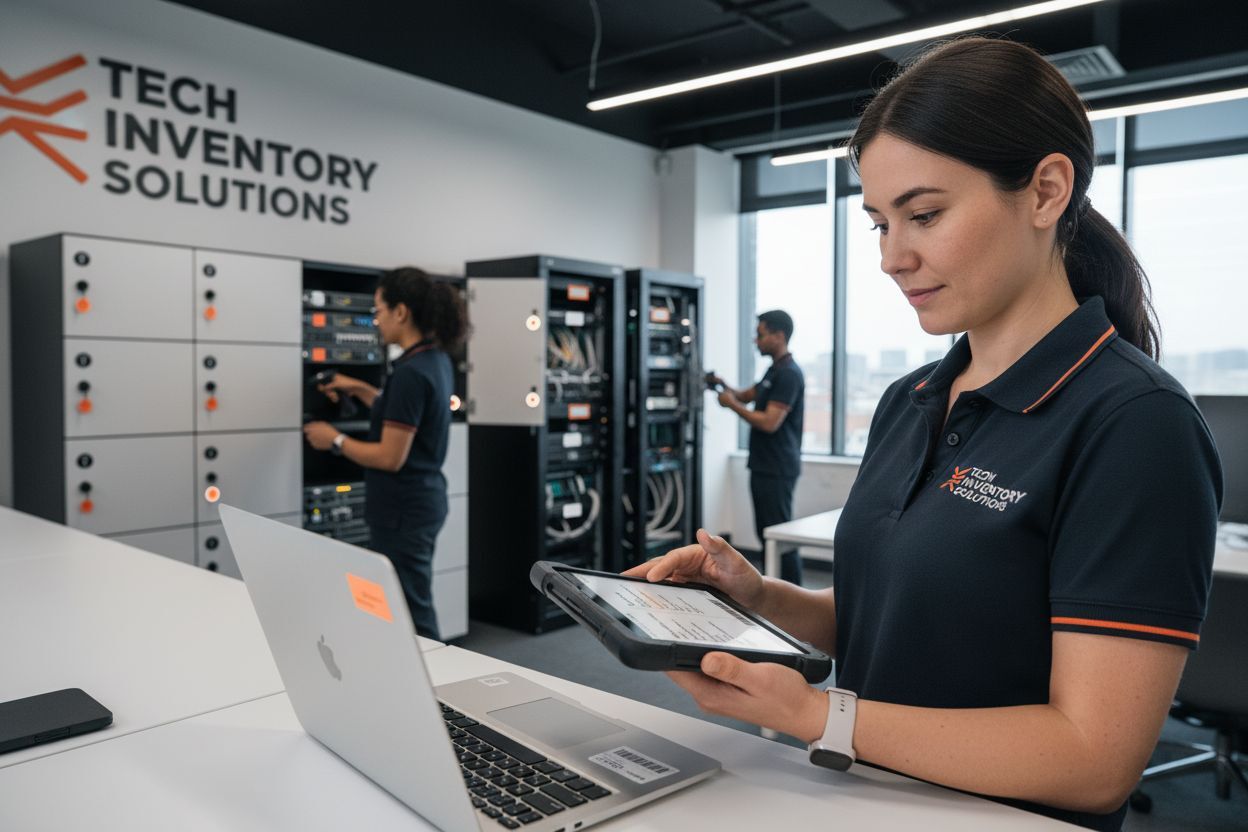
Choosing the right asset tracking system depends on your organisation’s specific needs, budget, and technological infrastructure. While manual systems might suffice for small operations, growing enterprises require more sophisticated, automated solutions that provide comprehensive, real-time asset intelligence.
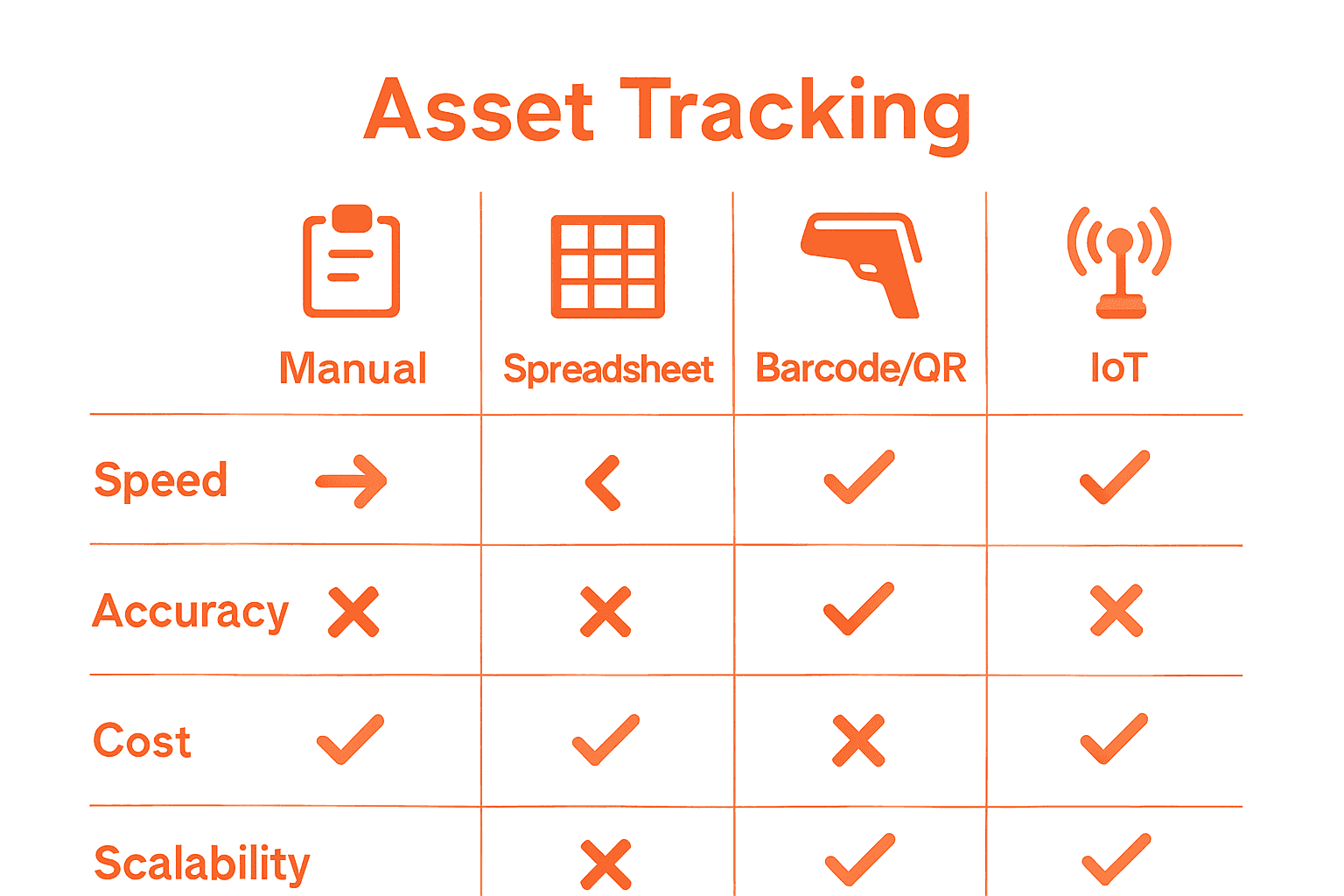
Here’s a comparison of common asset tracking systems:
| System Type | Advantages | Limitations |
|---|---|---|
| Manual Tracking | Simple setup No software required |
High error risk Time-consuming |
| Spreadsheet-Based | Low cost Customisable |
Data silos Poor scalability |
| Barcode/QR Tracking | Fast updates Accurate scans |
Initial setup Needs device access |
| Smart Tracking (IoT) | Real-time data Predictive insights |
Higher cost Complex integration |
Key Features of a Centralized System
A centralized asset tracking system is more than just a digital inventory. It’s a sophisticated ecosystem designed to transform how organisations manage their technological resources. At its core, the system provides comprehensive visibility, real-time tracking, and intelligent management capabilities that go far beyond traditional record-keeping.
Core Tracking Features
The fundamental features of a robust centralized system include:
- Real-time Asset Location: Instant tracking of every asset’s precise geographical and operational status
- Comprehensive Asset Profiles: Detailed records including purchase date, maintenance history, current condition, and depreciation value
- Automated Reporting: Automatic generation of detailed asset performance and utilisation reports
- Integration Capabilities: Seamless connection with existing IT infrastructure and management platforms
Advanced Intelligent Features
Modern centralized systems leverage cutting-edge technologies to provide predictive intelligence. These advanced features enable proactive asset management by:
- Predicting potential equipment failures
- Calculating optimal replacement timelines
- Identifying underutilised resources
- Generating cost-saving recommendations
Security and Compliance Elements
Beyond tracking, centralized systems offer critical security and compliance functionalities. Hide and seek: Do you know where your IT assets are? highlights the importance of comprehensive asset visibility. Key security features include:
- Access control and user authentication
- Detailed asset movement logs
- Compliance reporting mechanisms
- Data protection and privacy controls
By implementing a centralized tracking system with these features, organisations can transform asset management from a reactive administrative task to a strategic, intelligence-driven function that directly contributes to operational efficiency and cost optimization.
Integrating Asset Tracking with ITSM Platforms
The magic of modern IT service management happens when asset tracking seamlessly integrates with core ITSM platforms. This integration transforms fragmented systems into a unified, intelligent ecosystem that dramatically improves operational efficiency. By connecting asset tracking directly into service management workflows, organisations can create a powerful, real-time intelligence network.
Key Integration Benefits
Integrating asset tracking with ITSM platforms delivers multiple strategic advantages:
- Automatic Asset Discovery: Instant identification and cataloguing of new hardware and software
- Workflow Automation: Streamlined processes for asset requests, approvals, and deployments
- Comprehensive Visibility: Complete lifecycle tracking from procurement to retirement
- Reduced Manual Intervention: Minimised human errors and administrative overhead
Technical Integration Mechanisms
Successful ITSM platform integration typically involves:
- API-based connections
- Standardised data exchange protocols
- Automated synchronisation mechanisms
- Role-based access controls
Compliance and Reporting Advantages
Integrated systems provide unprecedented operational transparency. The True Costs of IT Inefficiency underscores how proper integration can reveal hidden operational inefficiencies. Advanced reporting capabilities enable:
- Detailed asset utilisation analytics
- Compliance documentation generation
- Cost allocation and chargeback mechanisms
- Predictive maintenance scheduling
By creating a tightly integrated asset tracking and ITSM ecosystem, organisations can transform their technological infrastructure from a cost centre to a strategic business enabler, driving efficiency, reducing risks, and optimising resource allocation.
Security, Compliance, and Data Privacy Implications
In the complex landscape of asset tracking, data security isn’t just a feature—it’s a fundamental requirement. Modern centralized asset tracking systems must navigate intricate regulatory landscapes while protecting sensitive organisational information from potential breaches and unauthorized access.
Data Protection Fundamentals
Centralized asset tracking systems handle incredibly sensitive information, including:
- Hardware serial numbers
- Purchase details
- Asset location histories
- Maintenance records
- User interaction logs
According to research on confidential computing, organisations can now protect data through hardware-based trusted execution environments (TEEs). These sophisticated technologies ensure that asset data processed in centralized systems remains confidential, even from infrastructure providers, supporting strong data privacy and regulatory compliance.
Compliance Frameworks
Comprehensive asset tracking solutions must align with multiple regulatory standards, including:
- GDPR data protection requirements
- Industry-specific compliance protocols
- Internal security governance frameworks
- International data transfer regulations
Advanced Security Mechanisms
Improve Security Compliance with Smart Locker Systems highlights the critical role of integrated security technologies. Key security features include:
- Multi-factor authentication
- Encryption of data at rest and in transit
- Granular access control mechanisms
- Comprehensive audit trail capabilities
By implementing robust security protocols, organisations can transform asset tracking from a potential vulnerability into a strategic advantage, ensuring data remains protected, compliant, and operationally secure.
ROI, Common Pitfalls, and Best Practices
Return on Investment (ROI) in asset tracking isn’t just about technology—it’s about transforming operational efficiency. Smart organisations understand that implementing a centralized asset tracking system goes far beyond simple inventory management, delivering tangible financial and strategic benefits across the entire technological ecosystem.
Common Pitfalls to Avoid
According to research from CPC Insights, five critical mistakes can derail asset tracking initiatives:
- Manual Tracking Reliance: Continuing outdated, error-prone tracking methods
- Poor Asset Categorization: Inconsistent or incomplete asset classification
- Audit Negligence: Failing to conduct regular, comprehensive asset reviews
- Insufficient Training: Inadequate team preparation and skill development
- Technology Misalignment: Selecting solutions that don’t match organisational needs
ROI Calculation Strategies
Measuring the financial impact of centralized asset tracking involves evaluating multiple dimensions:
- Direct cost savings from reduced manual administration
- Decreased asset procurement redundancies
- Improved asset utilisation rates
- Reduced downtime and faster issue resolution
- Enhanced compliance and risk management
Best Practices for Implementation
Research recommends several key strategies for maximising asset tracking effectiveness:
- Implement automated tracking technologies (RFID, barcodes)
- Develop standardised asset classification frameworks
- Conduct regular, systematic audits
- Invest in comprehensive user training programmes
- Select scalable, adaptable tracking solutions
By embracing these principles, organisations can transform asset tracking from a mundane administrative task into a strategic business intelligence tool that drives operational excellence and delivers measurable financial returns.
Take Control of Your Asset Management with Velocity Smart Technology
If fragmented asset data and manual tracking are slowing your business down, the Complete Guide to Centralized Asset Tracking has shown you just how costly and risky these outdated methods can be. It’s stressful not knowing where your assets are, the risk of duplicate purchases rising, and administrative hours being wasted. You deserve one source of truth that guards your data, ensures compliance, and drives true value across your IT investments.
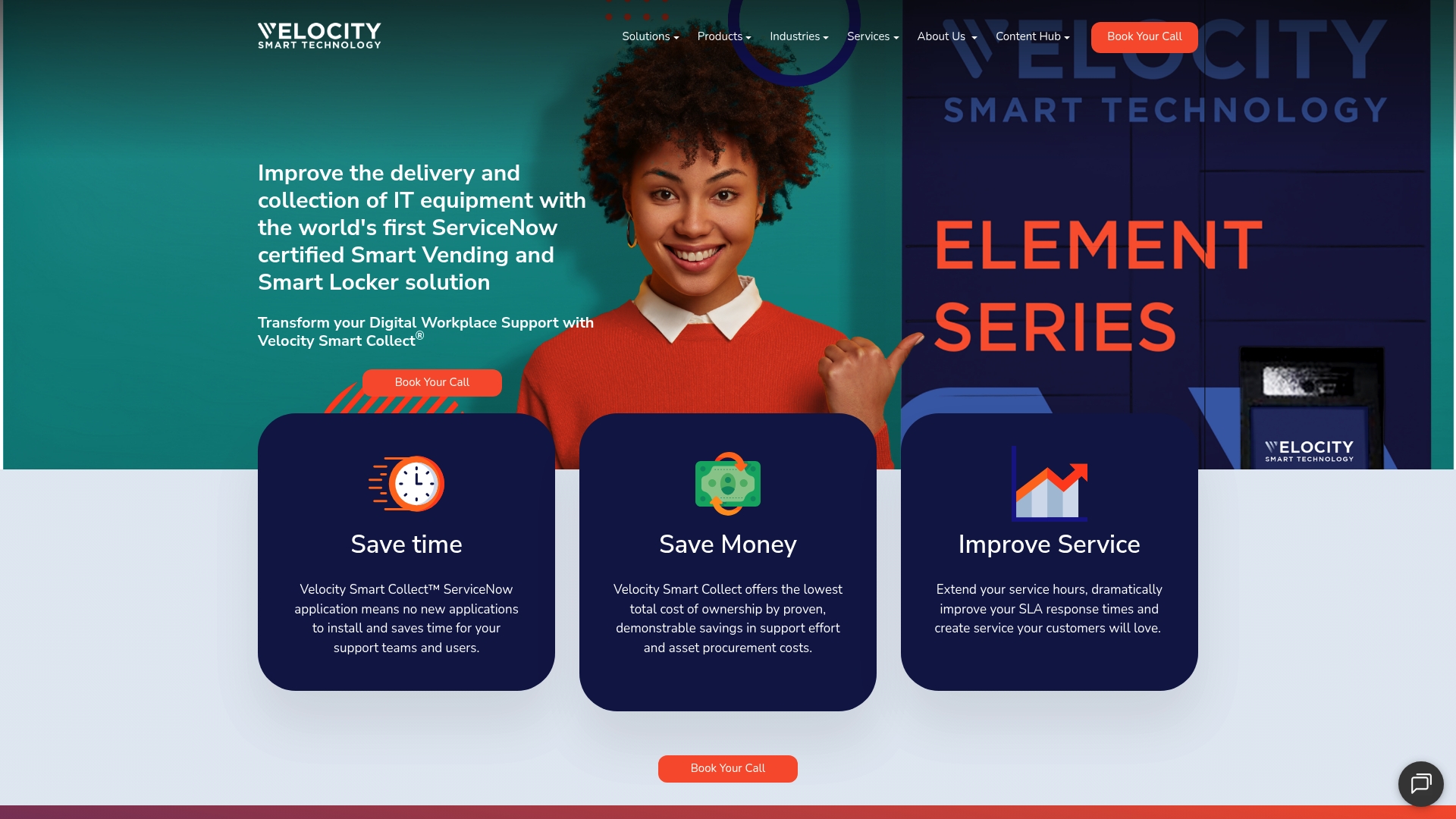
Now is the time to see what purpose-built automation can achieve for you. Velocity Smart Collect is natively integrated into ServiceNow to give you live tracking, secure asset handover, and GDPR peace of mind within your existing workflows. Eliminate manual errors, reduce support costs, and see measurable improvements from day one. Curious how other leading organisations have transformed their IT support? Discover more about our solutions at Velocity Smart Technology and find out how your business can streamline asset management starting today.
Frequently Asked Questions
What is centralized asset tracking?
Centralized asset tracking is a systematic approach that consolidates all IT asset information in one location, providing real-time visibility, eliminating data silos, and enhancing operational efficiency.
What are the benefits of using a centralized asset tracking system?
The benefits include real-time visibility of assets, elimination of duplicate records, precise tracking of asset lifecycles, reduced administrative work, and improved budget planning.
How do centralized asset tracking systems differ from manual tracking methods?
Centralized systems provide automated, real-time tracking with comprehensive data analytics, while manual methods rely on human loggings, are prone to errors, and are time-consuming.
What technologies are commonly used in advanced asset tracking systems?
Advanced asset tracking systems often utilize Internet of Things (IoT) technology, including real-time GPS tracking, sensors, and automated reporting capabilities to enhance asset management.