<img src="https://secure.intelligence52.com/795135.png" style="display:none;">

Large Lockers: Transforming IT Asset Access

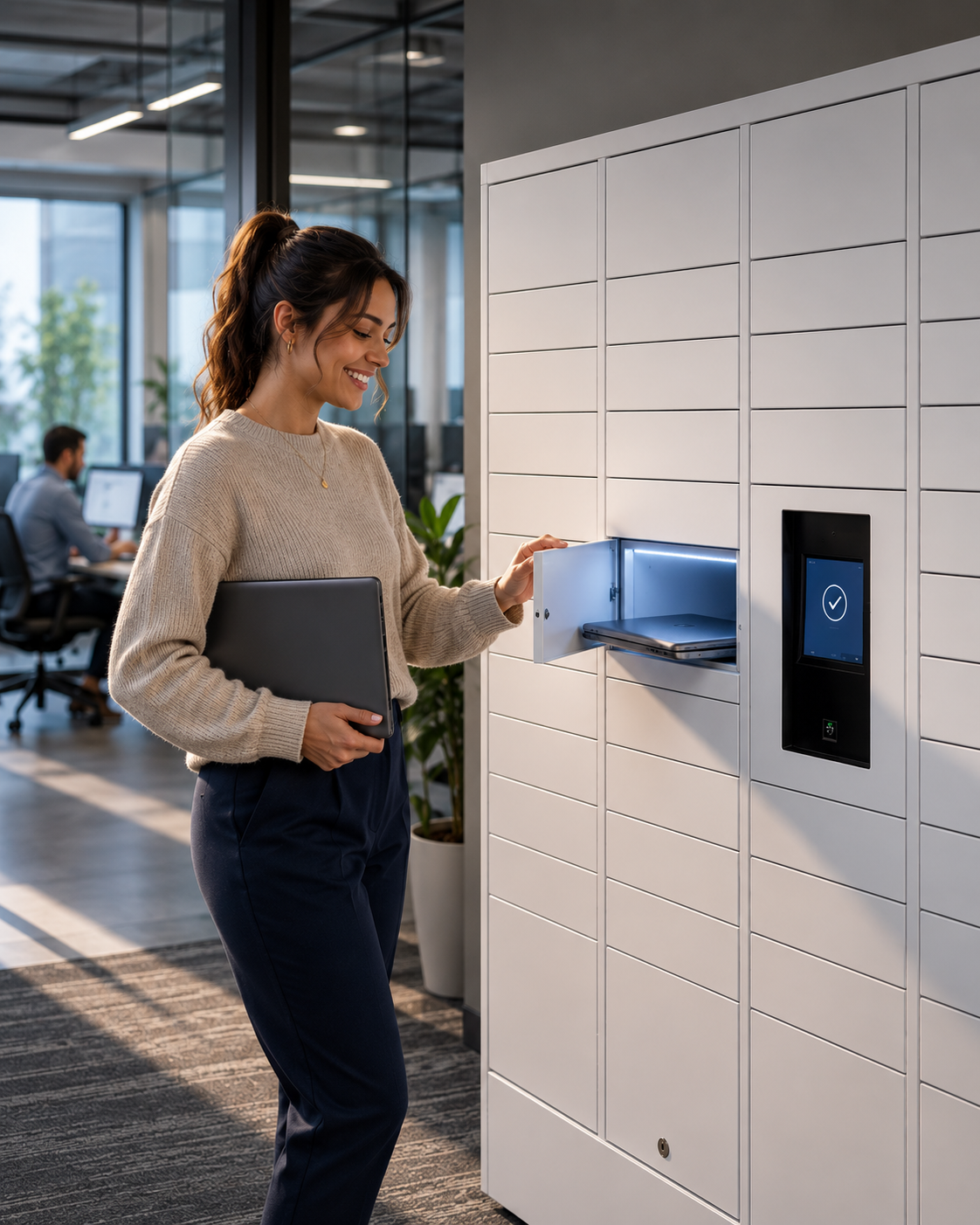
IT manager opens smart lockers in busy office

For IT Operations Directors navigating rapid digital transformation, keeping critical technology assets secure and accessible often feels unmanageable. Demands from hybrid and remote staff require solutions that work around the clock, without compromising security or efficiency. Large smart locker systems, equipped with cloud management platforms and integrated directly with ServiceNow, create an intelligent bridge between physical device provisioning and automated, trackable workflows for Fortune 500 enterprises seeking to redefine service delivery.

Table of Contents

Key Takeaways

Point Details
Evolution of Asset Management Large smart lockers transform asset management processes, integrating advanced technologies such as IoT and encryption for improved security and efficiency.
Types and Applications Enterprises utilise various large locker types tailored to specific needs, including IT asset lockers, package lockers, and refrigerated lockers.
ServiceNow Integration Effective integration with ServiceNow enhances operational efficiency by automating workflows and providing real-time asset visibility.
Deployment Considerations Thorough planning and user training are crucial to mitigate common challenges during implementation and ensure successful adoption.

Defining Large Lockers for Enterprise IT

Large lockers in enterprise IT represent sophisticated technological solutions designed to transform how organisations manage and distribute digital assets. Smart lockers for enterprise automation are secure, intelligent storage systems equipped with advanced technologies that fundamentally reimagine asset management processes.

These specialised storage units are far more than traditional metal cabinets. They integrate cutting-edge IoT sensors, cloud management platforms, and encrypted access protocols to enable dynamic, self-service asset provisioning. Authorised personnel can collect laptops, mobile devices, and critical technology equipment through multiple authentication methods including smartphone interfaces, PIN codes, or biometric scanning.

The core functionality of enterprise large lockers extends beyond simple storage. They represent a comprehensive asset management ecosystem that supports hybrid workforce models by providing instant, trackable, and secure equipment distribution. Network connectivity and real-time tracking allow IT departments to monitor asset locations, manage inventory levels, and ensure precise equipment allocation with unprecedented accuracy.

The global market for these intelligent systems continues expanding rapidly, driven by workplace transformation needs and technological innovation. Advanced tracking technologies now incorporate AI-driven monitoring, remote access capabilities, and sophisticated authentication mechanisms that elevate these systems from mere storage solutions to strategic enterprise infrastructure.

Pro Tip: When implementing large lockers, prioritise systems with comprehensive integration capabilities that seamlessly connect with your existing IT service management platforms.

Key Types of Large Smart Lockers

Enterprises today leverage multiple sophisticated large smart locker configurations designed to address diverse technological asset management requirements. Smart locker solutions can be categorised into several critical types, each engineered to serve specific organisational needs and technological ecosystems.

Employees using IT and parcel smart lockers

The primary categories of large smart lockers include IT asset lockers, package parcel lockers, refrigerated lockers, and self-service charging lockers. IT asset lockers represent the most sophisticated variant for technology-driven organisations, featuring advanced security protocols, network connectivity, and precise tracking mechanisms. These specialised units enable secure distribution, collection, and management of critical technological equipment such as laptops, tablets, smartphones, and peripherals.

Package parcel lockers offer broader functionality, supporting multiple industries beyond traditional IT environments. They typically incorporate robust authentication systems, modular design, and scalable storage configurations that can accommodate varying package sizes and weight requirements. Refrigerated lockers provide temperature-controlled storage for sensitive materials, while self-service charging lockers integrate power management capabilities, allowing users to simultaneously store and recharge electronic devices.

Each locker type integrates unique technological features like IoT sensors, RFID tracking, cloud management platforms, and multi-factor authentication systems. These advanced technologies transform simple storage units into intelligent, interconnected asset management solutions that deliver unprecedented visibility, security, and operational efficiency for modern enterprises.

The following table summarises the main types of large smart lockers and their primary business applications:

Smart Locker Type Typical Use Case Key Distinctive Feature
IT Asset Lockers Secure technology equipment management Advanced security and real-time tracking
Package Parcel Lockers Multi-industry package handling Modular design and scalability
Refrigerated Lockers Temperature-sensitive asset storage Temperature control functionality
Self-Service Charging Lockers Device recharging and storage Integrated power management

Pro Tip: Select smart locker solutions that offer seamless integration with your existing IT infrastructure and provide comprehensive tracking and reporting capabilities.

Essential Features and ServiceNow Integration

Large smart lockers for enterprise IT demand sophisticated integration capabilities that transcend traditional asset management approaches. ServiceNow certified applications enable organisations to transform physical asset distribution into seamless digital workflows, creating unprecedented operational efficiency.

The essential features of advanced smart locker systems encompass multiple critical technological capabilities. Multi-factor authentication ensures robust security, allowing enterprises to implement sophisticated access controls that verify user identities through combinations of PIN codes, biometric scanning, smartphone interfaces, and enterprise credentials. Comprehensive tracking mechanisms provide real-time visibility into asset locations, enabling IT departments to monitor equipment movement, manage inventory levels, and generate detailed usage reports directly within their existing service management platforms.

ServiceNow integration represents a pivotal advancement in enterprise asset management technology. By embedding smart locker functionality directly into the ServiceNow ecosystem, organisations can automate complex workflows, eliminate manual processing steps, and create a unified technological experience. The integration supports 24/7 employee access, enables precise asset fulfillment, and dramatically reduces administrative overhead associated with traditional equipment distribution models.

Advanced smart locker systems now incorporate intelligent features such as predictive maintenance alerts, automatic inventory replenishment triggers, and dynamic allocation algorithms that optimise asset utilisation across distributed workforce environments. These technological innovations transform smart lockers from passive storage units into active, intelligent infrastructure components that dynamically respond to organisational technology management requirements.

Pro Tip: Prioritise smart locker solutions that offer native ServiceNow integration to minimise implementation complexity and maximise workflow automation.

Security, Compliance, and GDPR Impacts

Enterprise-grade smart locker systems represent a complex intersection of technological innovation and stringent regulatory requirements. Advanced security technologies have evolved to address the sophisticated cybersecurity challenges inherent in modern asset management platforms, ensuring comprehensive protection of sensitive organisational resources.

The fundamental security architecture of intelligent locker systems integrates multiple layers of protection, including end-to-end encryption, multi-factor authentication, and real-time monitoring capabilities. These technological safeguards create a robust defence mechanism against potential unauthorized access attempts, data breaches, and system vulnerabilities. Biometric scanning, encrypted access codes, and comprehensive user verification protocols ensure that only authenticated personnel can interact with critical technological assets.

GDPR compliance represents a critical consideration for enterprises implementing smart locker solutions. The regulations mandate rigorous data protection standards, requiring organisations to implement privacy-by-design principles that protect individual user information throughout every interaction. This involves implementing secure data handling mechanisms, maintaining transparent access logs, enabling precise user consent protocols, and ensuring that personal information is processed, stored, and managed with the highest levels of confidentiality and integrity.

Modern smart locker systems now incorporate sophisticated compliance features such as automatic firmware updates, secure API integrations, and granular access control mechanisms. These technological innovations enable organisations to maintain continuous security compliance across diverse operational environments, providing IT leaders with unprecedented visibility and control over asset management processes while simultaneously protecting sensitive organisational and personal data.

Pro Tip: Regularly audit your smart locker system’s security configurations and maintain comprehensive documentation of access protocols to ensure ongoing regulatory compliance.

Cost, ROI, and Efficiency Benefits

Enterprise IT departments continuously seek technological solutions that deliver tangible economic value and operational improvements. Smart locker implementations represent a transformative approach to reducing administrative overhead and optimising asset management workflows across large organisations.

Infographic showing smart locker ROI and savings

The economic benefits of intelligent locker systems extend far beyond simple hardware investments. Labour cost reduction emerges as a primary financial advantage, with organisations experiencing significant savings through automated asset distribution processes. By eliminating manual equipment checkout procedures, enterprises can redirect skilled IT personnel towards strategic initiatives rather than repetitive administrative tasks. Automated tracking, self-service interfaces, and centralised management platforms dramatically reduce the time and resources traditionally consumed by equipment provisioning.

ROI calculations for smart locker technologies reveal compelling financial metrics. Organisations typically observe a substantial reduction in device loss, faster equipment turnaround times, and improved inventory management. The ability to track asset locations in real-time, manage precise inventory levels, and streamline equipment distribution translates directly into measurable economic benefits. Furthermore, these systems support hybrid workforce models by providing 24/7 accessible, secure equipment distribution mechanisms that adapt to evolving workplace dynamics.

Beyond direct financial measurements, smart lockers deliver intangible efficiency gains that significantly impact organisational productivity. Reduced device procurement times, minimised administrative friction, and enhanced employee experience contribute to a more agile and responsive technological infrastructure. The ability to instantly provision, track, and manage critical technological assets represents a fundamental transformation in how enterprises approach resource allocation and workforce enablement.

Pro Tip: Conduct a comprehensive baseline assessment of current asset management costs before implementing smart locker solutions to accurately measure potential efficiency gains.

Deployment Pitfalls and How to Avoid Them

Large enterprises embarking on smart locker implementations must navigate a complex landscape of technological and organisational challenges. Smart locker deployment challenges require strategic planning and meticulous execution to ensure successful technology integration.

The most significant deployment pitfalls typically emerge from inadequate pre-implementation assessment and poor technological compatibility. Initial cost management represents a critical consideration, with organisations frequently underestimating the comprehensive expenses associated with comprehensive smart locker systems. These costs extend beyond hardware procurement and include software integration, infrastructure modifications, staff training, and ongoing maintenance. Successful deployments demand a holistic approach that considers not just technological capabilities, but also organisational workflow dynamics, user experience design, and long-term scalability requirements.

Technological integration complexities pose another substantial challenge for enterprise IT departments. Ensuring seamless connectivity with existing ServiceNow platforms, enterprise resource management systems, and security infrastructure requires sophisticated architectural planning. Potential vulnerabilities can emerge from incompatible software protocols, inadequate authentication mechanisms, and insufficient data synchronisation capabilities. Organisations must conduct rigorous compatibility assessments, perform comprehensive integration testing, and develop robust migration strategies that minimise operational disruption.

User adoption represents a nuanced yet critical deployment consideration that many enterprises overlook. Even the most technologically advanced smart locker system will fail without intuitive interfaces, clear user guidance, and comprehensive change management strategies. Successful implementations incorporate user-centric design principles, provide extensive training resources, and create gradual, phased rollout approaches that allow employees to adapt to new technological workflows incrementally.

To aid decision-making, here is a comparison of common deployment pitfalls and effective mitigation strategies:

Deployment Pitfall Mitigation Strategy Outcome for Enterprise
Underestimating total costs Comprehensive cost analysis and planning Budget clarity, reduced risk
Poor system integration Rigorous compatibility testing Seamless workflows
Inadequate user adoption User training and phased rollouts High acceptance, minimal disruption
Overlooking regulatory compliance Regular security audits and documentation Sustained compliance, reduced legal risk

Pro Tip: Conduct a comprehensive pilot programme with a representative subset of users to identify potential integration challenges and user experience barriers before full-scale deployment.

Unlock Seamless IT Asset Access with Velocity Smart Collect

Managing large smart lockers for enterprise IT is complex and demands robust security, real-time tracking, and effortless integration with existing platforms like ServiceNow. The article highlights the challenges enterprises face with asset distribution inefficiencies, regulatory compliance including GDPR, and the critical need for automation to reduce operational overhead. Velocity Smart Technology addresses these exact pain points with our ServiceNow-certified solution, Velocity Smart Collect. Built natively inside the ServiceNow environment, it eliminates data-sharing concerns and enables secure, automated access to IT equipment, simplifying workflows while safeguarding sensitive data.

https://velocity-smart.com

Transform your IT asset management today by choosing a smart locker solution designed for your enterprise needs. Visit Velocity Smart Technology to discover how Velocity Smart Collect redefines asset access through seamless integration and advanced security. Take control now to reduce costs, improve employee experience, and achieve measurable ROI by automating equipment issue and tracking. Learn more about the future of smart lockers and how you can modernise your workplace support with our comprehensive smart locker technology.

Frequently Asked Questions

What are large lockers for enterprise IT?

Large lockers for enterprise IT are advanced technological storage solutions designed for efficient management and distribution of digital assets, integrating IoT sensors, cloud management, and security protocols.

How do large smart lockers improve asset management in organisations?

Large smart lockers streamline asset management by enabling secure, self-service access for employees, offering real-time tracking and inventory management, which enhances operational efficiency and reduces administrative overhead.

What types of large smart lockers are available for different business needs?

The primary types include IT asset lockers for secure equipment management, package parcel lockers for multi-industry use, refrigerated lockers for temperature-sensitive items, and self-service charging lockers for charging electronic devices.

How does ServiceNow integration enhance the functionality of smart lockers?

ServiceNow integration allows organisations to automate asset distribution workflows, improving efficiency, tracking, and reporting capabilities, ultimately reducing manual processes and administrative workload.

You may also like

Electronic Lockers: Transforming Enterprise Asset Access_BLG
13 January, 2026

Electronic Lockers: Transforming Enterprise Asset Access Nearly 40 percent of major enterprises face asset loss and inef...

Smart solutions that reduce the impact of asset loss
23 August, 2024

Every business, regardless of size, relies heavily on technology to keep operations running smoothly. Whether laptops, t...

What would a safe return to work look like?
17 March, 2022

As the end of the living through a pandemic finally appears within view and the tantalising prospect of a return to ‘nor...