 When the Pharmacy Fits in a Kiosk: What Amazon's TIME Award Means for Self-Service">
A kiosk on the Best Inventions list
TIME has named the Amazon Pharmacy Kiosk one of its Best Inventions of 2026. I read the Kiosk Marketplace write-up twice, because I think it is a bigger signal than a box on a magazine list.
For years, self-service has been allowed to handle the low-stakes stuff. Snacks, tickets, a hotel key, a parcel. The moment something was regulated, valuable or personal, we put a counter and a person in front of it. A prescription is about as personal and regulated as it gets.
So when a kiosk that hands over medicine gets called one of the inventions of the year, the line between what we trust to a machine and what we keep behind a counter has moved. And I don't think it stops at pharmacies.
What the Amazon Pharmacy Kiosk actually does
The idea is simple. You see your doctor, and you collect your prescription on the way out, before you have left the building. According to Kiosk Marketplace, the kiosks went in during 2025 at select One Medical offices in Los Angeles and San Francisco, with expansion planned.
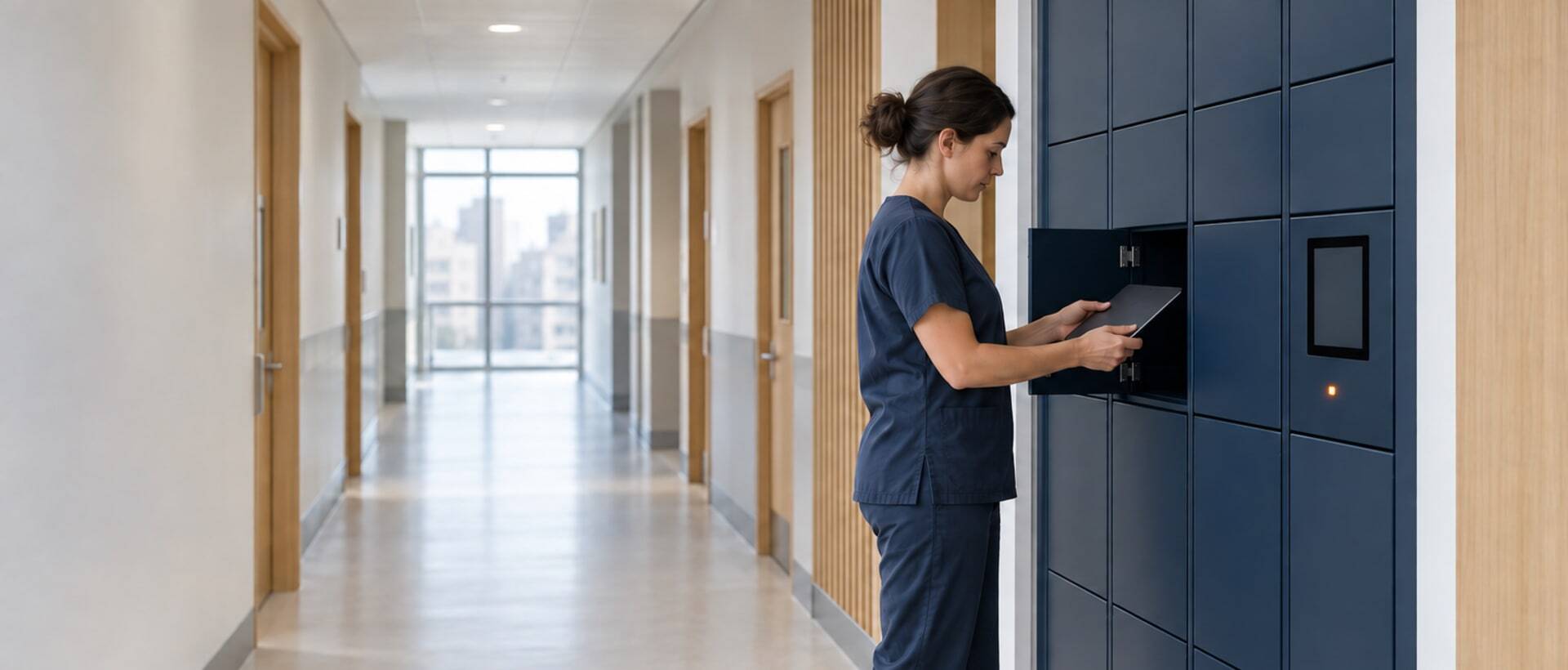
They carry commonly prescribed medicines, including antibiotics and blood pressure treatments. You order through Amazon Pharmacy, choose kiosk pickup and scan a QR code to retrieve your medication. Amazon says a licensed pharmacist verifies every order, there is audio and video access to a pharmacist at the kiosk, and there is no extra fee for using it.
TIME's reason for including it is the part I like most. It is not the hardware. It is the potential to remove a separate trip to the pharmacy, and with it the transport barrier that stops some people getting their medicine at all.
One honest note: TIME discloses a content and technology partnership with Amazon, so it is worth reading the recognition with that in mind. The design idea stands on its own either way.
We had a go at this too
I'll admit to a big smile reading this, because we have been here before. A while back, working through an MSP partner, we started talking to a major UK supermarket chain with in-store pharmacies about almost exactly this idea. We went as far as designing a bespoke vending machine for it.
The idea was sound. What we didn't have was the piece that makes Amazon's version work: every order signed off by a pharmacist before it ever reaches the machine. Without that, the conversation kept coming back to risk, and eventually it went cold with the MSP. That was a shame, and it taught me a lot about where the trust has to sit.
So I am really pleased to see Amazon crack it. It will save people time and money. And if this model one day reaches things like insulin or other vital medicines, collected the moment someone needs them rather than when a counter is open, it could save lives.
Trust is the real invention
The clever bit is not the locker door. It is that the trust has been moved upstream. The pharmacist still checks every order. The doctor still prescribes. What the kiosk removes is the queue, the opening hours and the second journey.
That is the pattern I find most exciting in automation. The best self-service doesn't cut the expert out. It puts the expert's judgement in front of the handover, then lets the handover happen whenever the person turns up. The human stays in the loop. They just stop being the bottleneck.
It also changes what "convenient" means. Convenience used to be a nice extra for low-value things. Here it is part of the outcome. If someone who would have skipped the pharmacy run now walks out with their medicine, the kiosk has done something a counter couldn't.
The same pattern in IT support
I spend my days in a very different world, enterprise IT, and I recognise this story instantly.
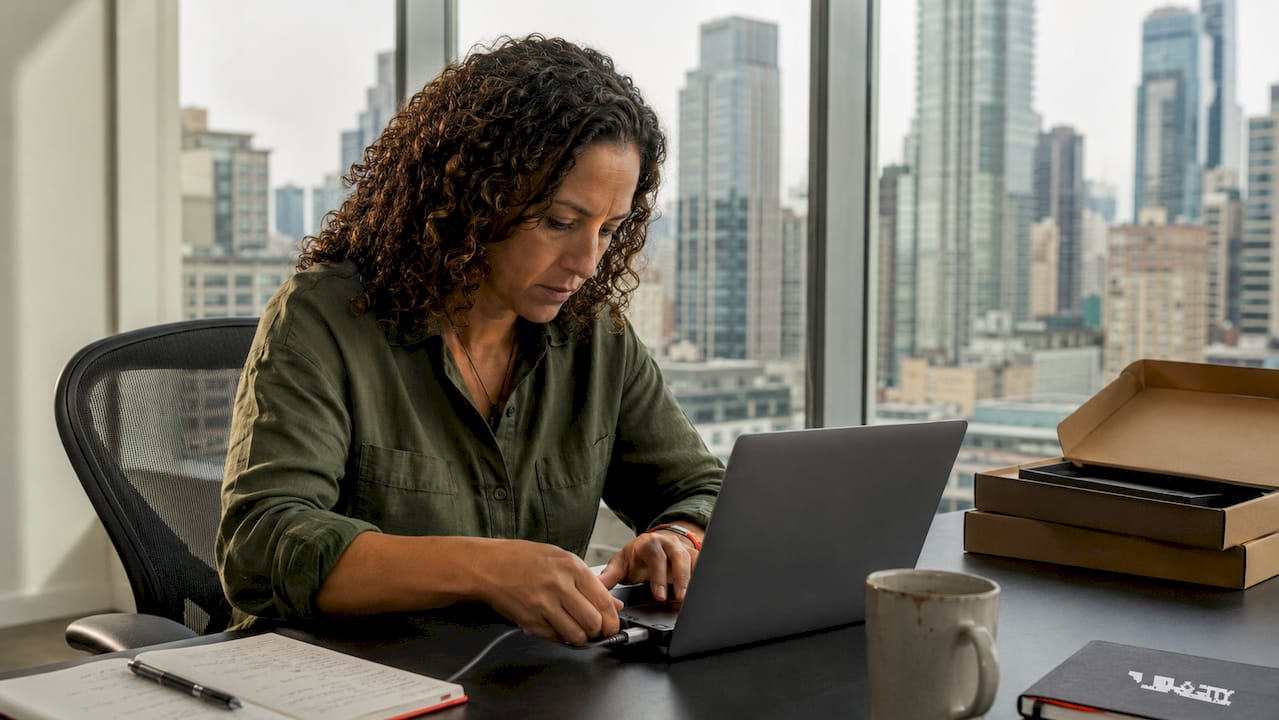
Inside most organisations, the software side of IT support is racing ahead. AI agents can triage a ticket, diagnose a fault and approve a replacement in seconds. Then everything stops, because a person still needs a working laptop, a new charger or a replacement headset in their hands. That last physical step is where the queue, the opening hours and the second journey still live.
It is exactly the gap the pharmacy kiosk closes. Judgement happens first, in the system. The handover happens later, at a smart locker, whenever the person is ready. At Velocity we have been building that bridge for enterprise IT teams, in production since 2018, and the effect is very similar: our customers see more than 30% less onsite IT support, with an average collection time of under three minutes.
A prescription and a laptop are very different things. The design problem underneath is the same.
What has to be true for high-trust self-service to work
Whenever something high-trust moves to self-service, the same few things seem to decide whether people actually trust it.
- The right person gets the right item. Here it is a QR code tied to an order the pharmacist has already checked. In IT it is the user's identity and the ticket behind the request. If that link is weak, nothing else matters.
- There is a record of every handover. Who collected what, when and where. For medicine that is safety. For a laptop it is chain of custody and an audit trail you can hand to a security team.
- A human is a tap away. Audio and video access to a pharmacist is a lovely detail. Self-service works best when people know they are not on their own.
- It sits where people already are. The kiosk lives in the clinic, not across town. The best place for a locker is wherever people are already walking past.
None of that is about the box. It is about the system the box belongs to.
So what's next behind the counter?
If a prescription can move from a counter to a kiosk, I suspect a lot of other things we keep "behind the desk" can too. Not because people don't matter, but because their judgement is better spent before the handover than during it.
I'd love to hear from you. What is still sitting behind a counter in your world, waiting for someone to ask whether it really needs to be there?
If you want to see how this works for IT support, take a look at our customer case studies.
Sources
- Kiosk Marketplace, Time names Amazon Pharmacy Kiosk among best inventions of 2026, 16 October 2026
- TIME, Best Inventions of 2026: Amazon Pharmacy Kiosk
See what Smart Collect® could save you
Model your savings in two minutes, or book a 60-minute workshop to pressure-test the numbers against your estate.