 Remote Asset Management: Unlocking ROI and Automation">
Remote Asset Management: Unlocking ROI and Automation
Over 60 percent of British organisations now rely on remote asset management to keep track of valuable equipment and resources far beyond their office walls. As companies stretch across borders and embrace digital systems, managing assets from a distance has moved from a luxury to a necessity. This guide offers practical insights into the technologies, security considerations, and strategies British businesses use to maximise asset value without constant physical oversight.
Table of Contents
- Remote Asset Management Defined And Demystified
- Key Types And Technologies In Use Today
- How Remote Asset Tracking Works In Practice
- Integrating Asset Management With Servicenow
- Compliance, Security, And Data Protection Concerns
- Reducing Costs And Avoiding Common Pitfalls
Key Takeaways
| Point | Details |
|---|---|
| Remote Asset Management Enhances Efficiency | Utilising advanced technologies allows for real-time tracking, enabling proactive decision-making and optimised resource allocation. |
| Integration is Crucial | Seamless integration of asset management systems with existing platforms like ServiceNow ensures robust data flow and operational efficiency. |
| Data Security is Paramount | Implementing strong security measures and compliance protocols is essential to protect sensitive asset information in remote management systems. |
| Predictive Maintenance Reduces Costs | By leveraging predictive analytics, organisations can minimise unexpected equipment failures and lower operational expenses effectively. |
Remote Asset Management Defined and Demystified
Remote asset management represents a sophisticated approach to tracking, monitoring, and optimising organisational assets across geographical boundaries without physical presence. Asset management involves systematic processes designed to maximise asset value throughout their entire lifecycle, encompassing both tangible technological equipment and intangible resources.
At its core, remote asset management integrates advanced technologies like cloud platforms, Internet of Things (IoT) sensors, and sophisticated tracking software to provide real-time visibility into asset locations, performance metrics, and operational status. These intelligent systems enable organisations to make data-driven decisions about equipment deployment, maintenance scheduling, and resource allocation without requiring constant manual intervention.
The strategic implementation of remote asset management delivers multiple organisational benefits. Enterprises can reduce operational costs by precisely tracking asset utilisation, predict maintenance requirements before equipment failures occur, and streamline workflow processes. By leveraging automated tracking mechanisms, businesses can dramatically improve accountability, reduce human error, and create more efficient operational frameworks that support scalable growth and enhanced productivity.
Pro Tip: Implement a comprehensive asset tracking system that integrates seamlessly with your existing technological infrastructure, ensuring minimal disruption and maximum data accuracy across your organisation.
Key Types and Technologies in Use Today
Remote asset management technologies have evolved dramatically, offering organisations sophisticated methods for tracking and monitoring their critical resources. Current asset management technologies range from manual data collection to advanced automated systems, encompassing diverse approaches that cater to different operational requirements and technological capabilities.
The primary categories of remote asset management technologies include sensor-based tracking, GPS-enabled monitoring systems, cloud-based platforms, and advanced remote sensing applications. Automated sensor networks can continuously capture real-time performance data, enabling predictive maintenance and instant location tracking. Internet of Things (IoT) devices play a crucial role, providing granular insights into asset conditions, utilisation patterns, and potential maintenance requirements through interconnected intelligent systems.
Advanced remote sensing technologies have transformed asset management capabilities across industries. High-resolution satellite imagery and LiDAR technologies now enable precise asset assessment and monitoring, particularly for large-scale infrastructure and geographically dispersed resource networks. These technologies offer unprecedented accuracy, allowing organisations to conduct comprehensive surveys and inspections without significant on-site personnel deployment, thereby reducing operational costs and minimising potential safety risks.
Pro Tip: Select remote asset management technologies that integrate seamlessly with your existing infrastructure, prioritising scalability, real-time reporting, and comprehensive data analytics capabilities.
Here is a comparison of key remote asset management technologies and their main business benefits:
| Technology Type | Main Function | Distinctive Business Benefit |
|---|---|---|
| Sensor-based Tracking | Real-time status monitoring | Enables predictive maintenance |
| GPS-enabled Systems | Asset geolocation and movement tracking | Reduces risk of loss or theft |
| Cloud-based Platforms | Centralised asset data management | Streamlines reporting and compliance |
| Remote Sensing (e.g., LiDAR) | Precise condition assessment from distance | Cuts costs of in-person inspections |
| IoT Device Networks | Granular usage and performance insights | Supports proactive resource allocation |
How Remote Asset Tracking Works in Practice
Remote asset tracking transforms traditional inventory management by leveraging cutting-edge digital technologies to provide real-time visibility and comprehensive monitoring capabilities. Smartphone-based asset management systems enable organisations to capture detailed asset information through mobile devices, allowing instant data collection and transmission to centralised tracking platforms.
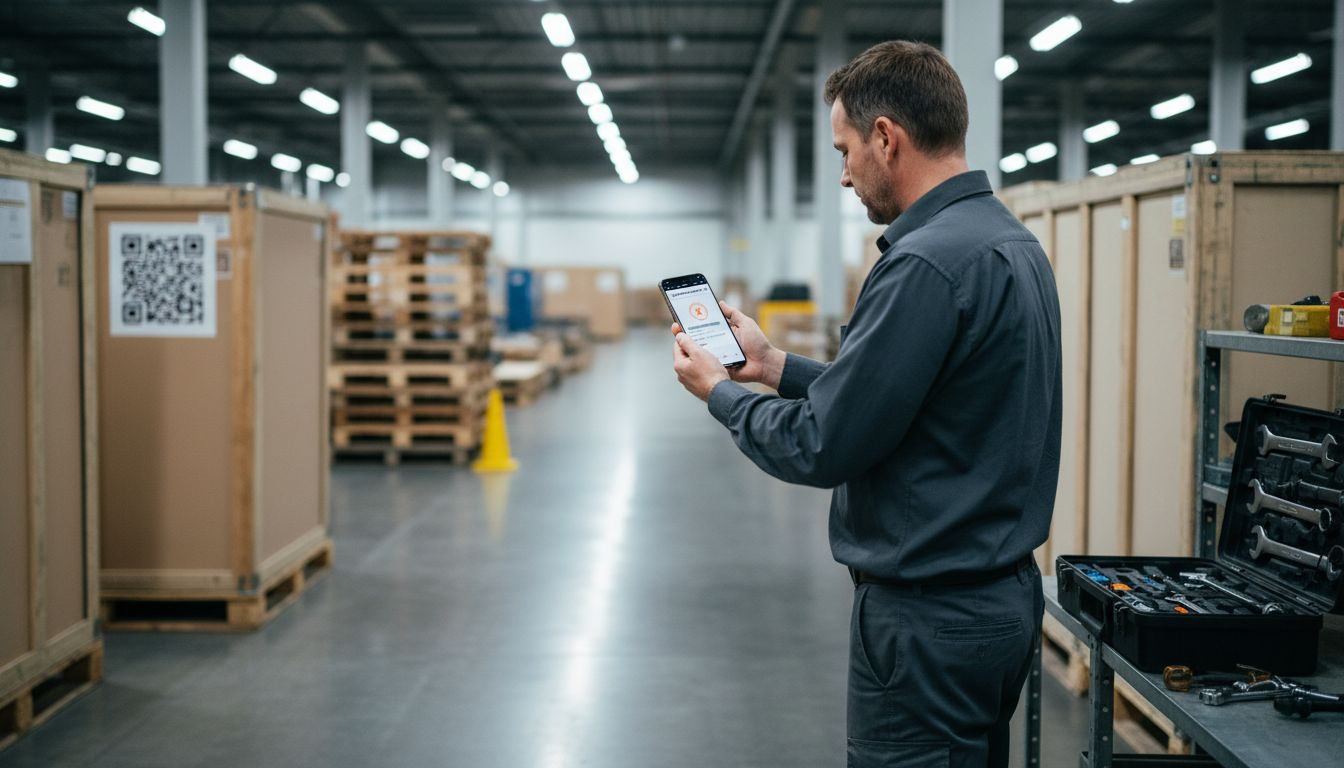
The practical implementation of remote asset tracking typically involves several interconnected technological components. These include GPS-enabled tracking devices, cloud-based management platforms, unique identification mechanisms like QR codes or RFID tags, and sophisticated data analytics software. By integrating these technologies, organisations can precisely monitor asset location, condition, usage patterns, and maintenance requirements, creating a dynamic and responsive asset management ecosystem that supports proactive decision-making.
Asset tracking systems utilising QR codes and geolocation technologies provide organisations with unprecedented granularity in asset monitoring. These advanced systems can automatically log asset movements, track maintenance histories, generate real-time reports, and trigger alerts when assets deviate from expected operational parameters. The result is a comprehensive tracking mechanism that minimises human error, reduces administrative overhead, and provides actionable insights into organisational asset utilisation and performance.
Pro Tip: Implement a multi-layered asset tracking approach that combines hardware tracking devices, software platforms, and unique identification technologies to create a robust and comprehensive monitoring system.
Integrating Asset Management with ServiceNow
ServiceNow integration represents a transformative approach to asset management, enabling organisations to streamline their technological ecosystems and create more intelligent, responsive operational frameworks. By integrating asset management with platforms like ServiceNow, enterprises can effectively track and manage IT assets across multiple locations, ensuring robust compliance with company policies and maintaining rigorous security standards in increasingly complex hybrid work environments.
The technical architecture of ServiceNow integration involves sophisticated workflow automation, real-time data synchronisation, and comprehensive asset lifecycle management. Advanced platforms can automatically capture asset information, track deployment histories, monitor maintenance schedules, and generate predictive analytics that support strategic decision-making. These integrations eliminate manual data entry, reduce administrative overhead, and provide unprecedented visibility into organisational asset utilisation and performance.
Autonomous remote asset monitoring solutions integrated with ServiceNow offer remarkable capabilities for improving organisational efficiency, delivering tangible benefits across multiple operational domains. By leveraging native ServiceNow workflows, organisations can create intelligent asset management ecosystems that automatically trigger maintenance requests, track asset depreciation, manage procurement processes, and generate comprehensive reporting mechanisms that support strategic planning and resource allocation.
Pro Tip: Develop a comprehensive asset integration strategy that prioritises seamless data flow, automated workflows, and real-time tracking capabilities within your ServiceNow environment.
Compliance, Security, and Data Protection Concerns
Data security represents a critical consideration in remote asset management, particularly as organisations increasingly adopt sophisticated technological solutions. Implementing remote asset management technologies raises significant data security and privacy challenges due to the extensive sensitive information collected and transmitted, necessitating robust protective mechanisms and comprehensive risk mitigation strategies.
The regulatory landscape surrounding asset management demands meticulous compliance frameworks that address multiple dimensions of data protection. Organisations must implement multi-layered security protocols, including encryption technologies, access control mechanisms, and comprehensive audit trails. These systems must not only protect against external threats but also manage internal risks, ensuring that asset tracking and management processes adhere to stringent data protection regulations such as GDPR, CCPA, and industry-specific compliance requirements.
Managing IT assets in hybrid work environments requires sophisticated tracking and compliance mechanisms that balance operational efficiency with rigorous security standards. Advanced asset management solutions now incorporate sophisticated authentication methods, including biometric verification, multi-factor authentication, and role-based access controls. These technologies enable organisations to create granular security frameworks that provide precise control over asset access, minimise potential security breaches, and maintain comprehensive visibility into asset interactions across distributed work environments.
Pro Tip: Develop a comprehensive security strategy that integrates technical controls, employee training, and regular compliance audits to create a holistic approach to data protection in remote asset management.
Reducing Costs and Avoiding Common Pitfalls
Enterprise asset management represents a strategic approach to minimising organisational expenses and optimising technological investments. Enterprise Asset Management (EAM) enables organisations to dramatically reduce maintenance, production, and labour costs while increasing overall maintenance productivity, creating a robust framework for financial efficiency and operational excellence.
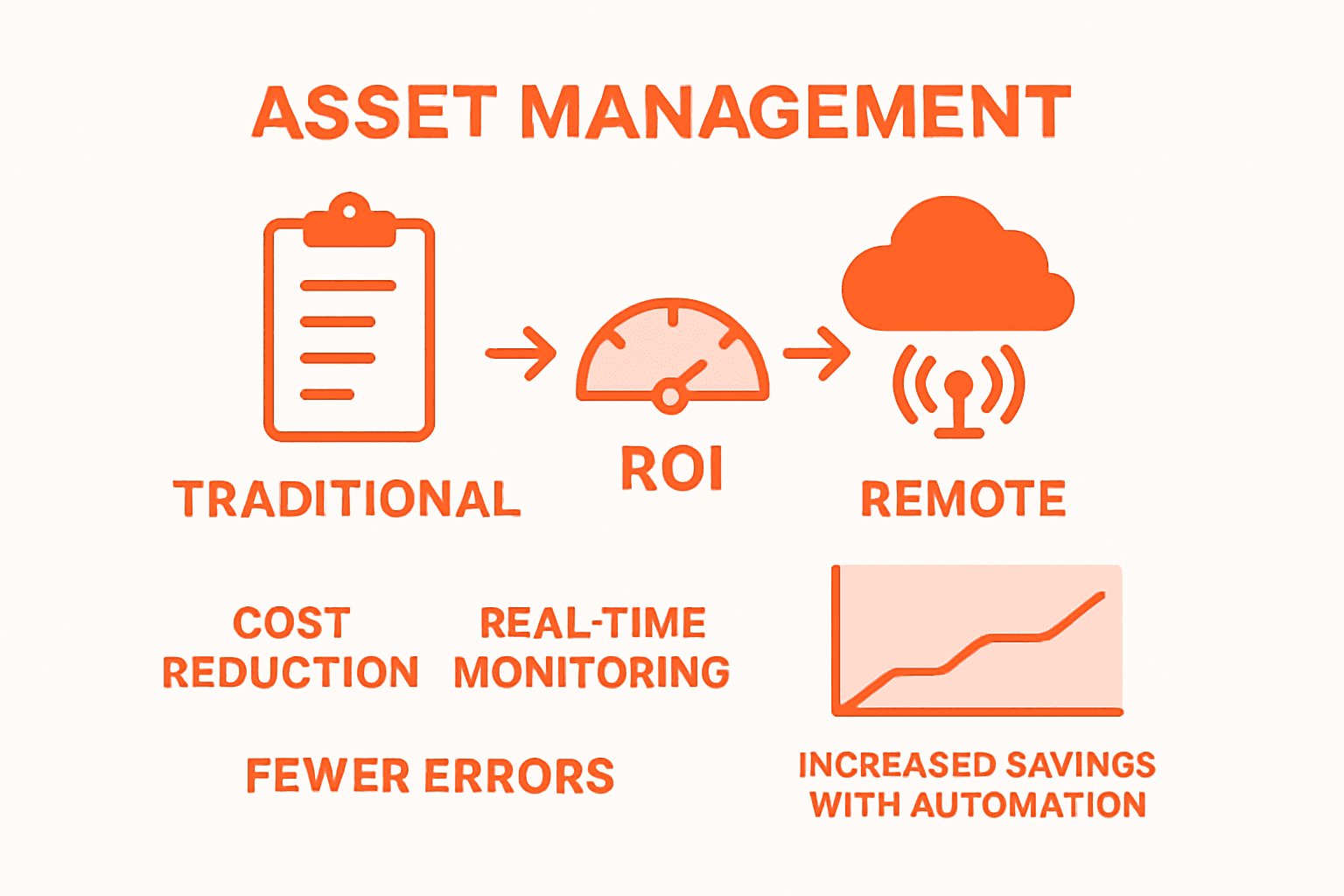
The most prevalent pitfalls in remote asset management stem from fragmented technological approaches and inadequate strategic planning. Organisations frequently encounter challenges such as inefficient tracking mechanisms, poor data integration, and reactive rather than proactive maintenance strategies. By implementing comprehensive asset management solutions that leverage real-time data analytics, predictive maintenance algorithms, and integrated monitoring systems, businesses can transform these potential weaknesses into strategic advantages.
Remote sensing technologies offer cost-effective alternatives for comprehensive asset monitoring and data collection, reducing reliance on manual intervention and minimising operational expenses. Advanced technological solutions can automate data collection processes, provide instantaneous insights into asset performance, and enable organisations to make data-driven decisions that optimise resource allocation. This approach not only reduces direct operational costs but also mitigates potential long-term expenses associated with equipment failure, unexpected maintenance, and inefficient asset utilisation.
Pro Tip: Implement a comprehensive asset management strategy that prioritises predictive maintenance, real-time monitoring, and continuous technological integration to systematically reduce operational costs and enhance organisational efficiency.
The table below summarises common challenges in remote asset management and recommended solutions:
| Challenge | Potential Impact | Effective Solution |
|---|---|---|
| Fragmented tracking systems | Inaccurate asset data | Implement integrated tracking platforms |
| Manual data entry | Increased human error | Adopt automated data collection technologies |
| Poor maintenance planning | Unexpected equipment downtime | Utilise predictive analytics tools |
| Weak security protocols | Data breaches and compliance risks | Enforce multi-layered security controls |
Transform Your Remote Asset Management with Velocity Smart Technology
The challenges of remote asset management detailed in the article highlight common pain points like fragmented tracking systems, poor maintenance planning, and security risks. Organisations striving to unlock real ROI and automation need solutions that seamlessly integrate with existing platforms while enhancing data accuracy and operational efficiency. Velocity Smart Technology offers a unique response to these pressing needs through our ServiceNow-certified smart locker and vending solutions that automate asset issuance, tracking, and replacement directly within your ServiceNow environment.
Discover how Velocity Smart Collect eliminates GDPR concerns and manual data rekeying by living natively inside ServiceNow, empowering your enterprise to streamline workflows and lifecycle management with confidence. Don’t let costly inefficiencies and data silos hold your organisation back. Act now to reduce support costs, safeguard sensitive asset data, and elevate the employee experience. Visit Velocity Smart Technology to explore how our innovative solutions can unlock automation and transform your remote asset management today.
Frequently Asked Questions
What is remote asset management?
Remote asset management is a method of tracking, monitoring, and optimising organisational assets from various locations without the need for physical presence, utilising advanced technologies like IoT, cloud platforms, and tracking software for real-time visibility.
How does remote asset management improve operational efficiency?
Remote asset management enhances operational efficiency by reducing costs, predicting maintenance needs, and improving workflow processes, allowing organisations to make data-driven decisions and streamline resource allocation.
What technologies are commonly used in remote asset management?
Common technologies in remote asset management include sensor-based tracking, GPS-enabled systems, cloud-based platforms, and IoT devices, all of which facilitate real-time monitoring and data analysis for better asset management.
How can organisations ensure data security in remote asset management?
Organisations can ensure data security by implementing multi-layered security protocols, such as encryption, access control, and regular compliance audits, alongside robust training for employees to protect sensitive information during asset management.
Recommended
See what Smart Collect® could save you
Model your savings in two minutes, or book a 60-minute workshop to pressure-test the numbers against your estate.