Smart Collect® is the only ServiceNow-certified smart locker and vending application, and every record it creates stays inside your own ServiceNow instance. Until this year that mattered mostly to the people who run ServiceNow. Now it matters to the AI that runs on it.
Here is why, and what we have built to show it.
AI can now decide. Somebody still has to hand over the laptop.
ServiceNow's AI has moved fast. Otto works inside the platform. Flow answers employees in Microsoft Teams, Slack and email. AI Agents can check a policy, make a decision and take an action. Ask any of them about a smashed laptop screen and you will get a sensible, well-categorised request in seconds.
Then the trail goes cold. The ticket is perfect, the decision is right, and the employee is told to visit the IT desk, wait for a courier, or book an engineer. The AI has done the thinking, but the physical part of the job, a device changing hands, still waits for a person.
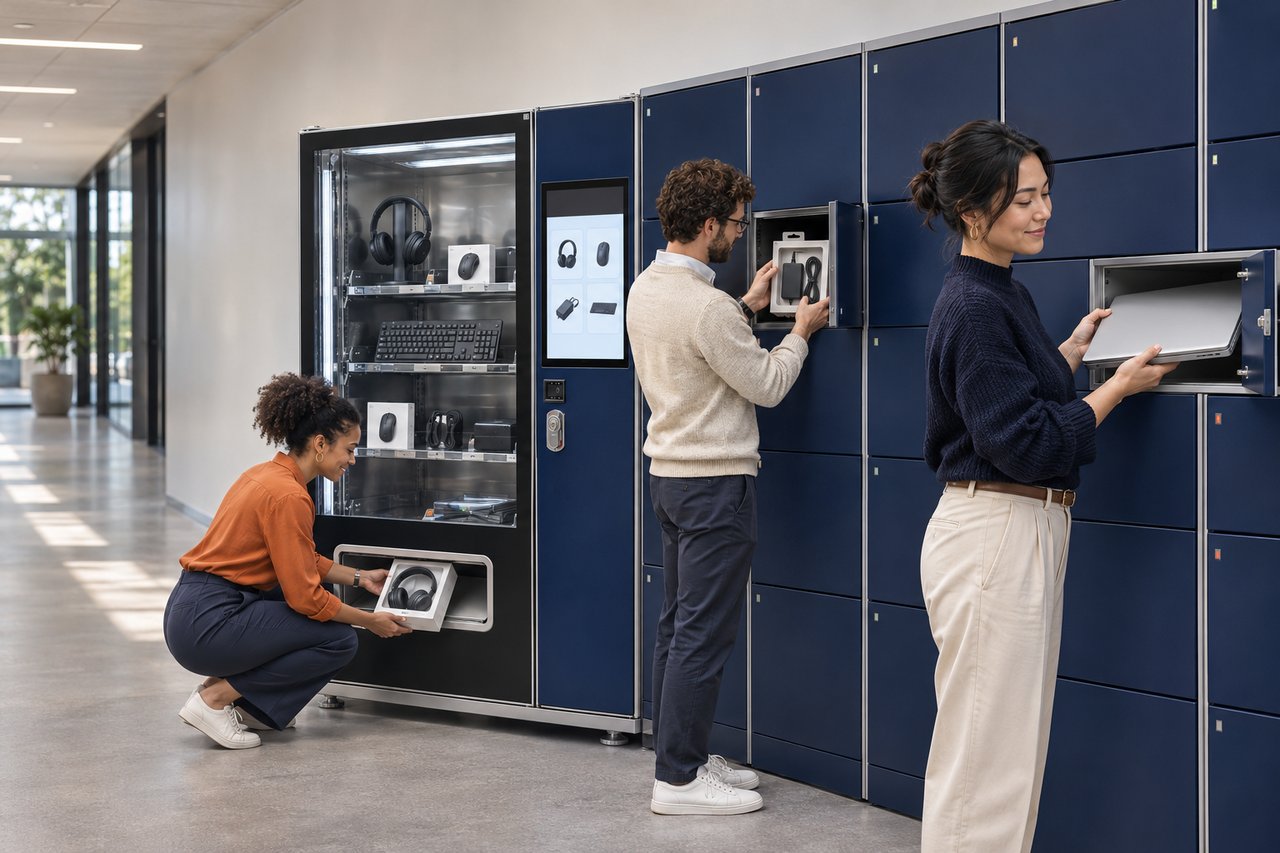
That last step is what we do. A Velocity smart locker, vending machine or kiosk holds the device, and Smart Collect® releases it to the right person with a code, then records the collection against the ticket and the asset.
Why being native to ServiceNow is the whole point
Because Smart Collect® is a ServiceNow application, a locker cell is just another record in your instance. That means ServiceNow's AI can reserve it, release it and close the ticket in the same way it updates anything else, with no middleware, no second platform and no data leaving ServiceNow.
A smart locker that sits outside ServiceNow can still be connected, but the AI then has to work through someone else's system and someone else's data store. When the AI is the one taking the action, where the record lives stops being a technical detail and becomes the difference between a closed ticket and a hand-off.
Introducing the Recipe Library
We have started calling these combinations recipes. A recipe takes tools you may already own, adds Smart Collect®, and ends with a device in someone's hand. The Recipe Library brings them together, and you can browse it by the apps you run.
A few examples:
- Predictive device replacement. Nexthink spots a failing disk, ServiceNow approves a replacement and Microsoft Intune prepares it. The laptop waits in a locker before anyone reports a fault.
- Ask Flow, collect from the locker. An employee tells Flow their screen is broken. The reply in the same chat is a locker code, not a queue.
- Otto closes the physical ticket. Otto works out a replacement is needed, an AI agent checks policy and reserves a cell, and the ticket closes when the device is collected.
- New starter, ready on day one. A hire confirmed in Workday becomes a built laptop in a locker, with a code sent before the first morning.
- Compromised device swap. A CrowdStrike or Microsoft Defender detection leads to a clean replacement, with the suspect laptop held in a locker for forensics.
There are recipes for leavers, lost and stolen devices, peripherals, battery health, Mac refreshes, field engineers, meeting rooms and refresh waves too, and we are adding more.
Every recipe comes with a free Blueprint
Each recipe has a short Blueprint you can download. It sets out the steps, what you need in place, how the pieces connect and what a first version could look like. It is written to help your ServiceNow and end-user computing teams decide quickly whether a recipe fits your estate.
An honest caveat
Recipes are concepts. They show what becomes possible when the tools you already own are combined with Smart Collect®. They are not off-the-shelf integrations, and we are not claiming any customer runs a particular recipe today. When one fits, we build it with you, and with the vendor where that makes sense.
What is not a concept is the foundation. Smart Collect® has been in production since 2018, it runs inside ServiceNow, and our customers see 30 percent or more off their onsite IT support and collections that take under three minutes.
Where to start
Browse the Recipe Library and pick the tool you already run. If a recipe looks close to something you need, talk to one of our architects and we will work out the version that fits your estate.
If you work at one of the vendors whose tools appear in the library, we would like to build recipes with you. Tell us about your product.
See what Smart Collect® could save you
Model your savings in two minutes, or book a 60-minute workshop to pressure-test the numbers against your estate.